Ontario scissor lift training is required under workplace safety regulations because operators must be competent before using equipment. Employers must provide training that covers equipment operation, safety procedures, and hazard awareness. Certification documents are often provided after training and help verify competency on job sites. Additional programs such as fall protection and working at heights training are recommended but not always mandatory. Proper training improves safety, reduces equipment damage, and ensures efficient job site operations.
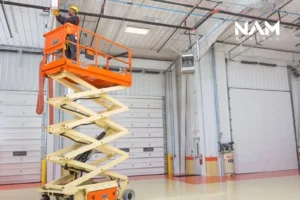
Scissor lifts are widely used on construction sites, warehouses, and maintenance projects across Ontario. They provide safe access for work at height.
However, operating a scissor lift is not as simple as stepping onto the platform and pressing a button. Operators must understand safety procedures, equipment limits, and job site risks.
Many contractors ask the same question. Is certification legally required in Ontario, or is it simply recommended training?
This guide explains the difference between mandatory requirements and additional training that is considered good practice. It is written for contractors, supervisors, and workers who use scissor lifts regularly.
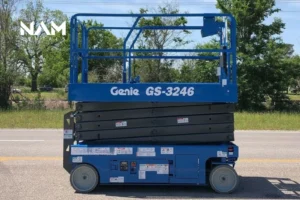
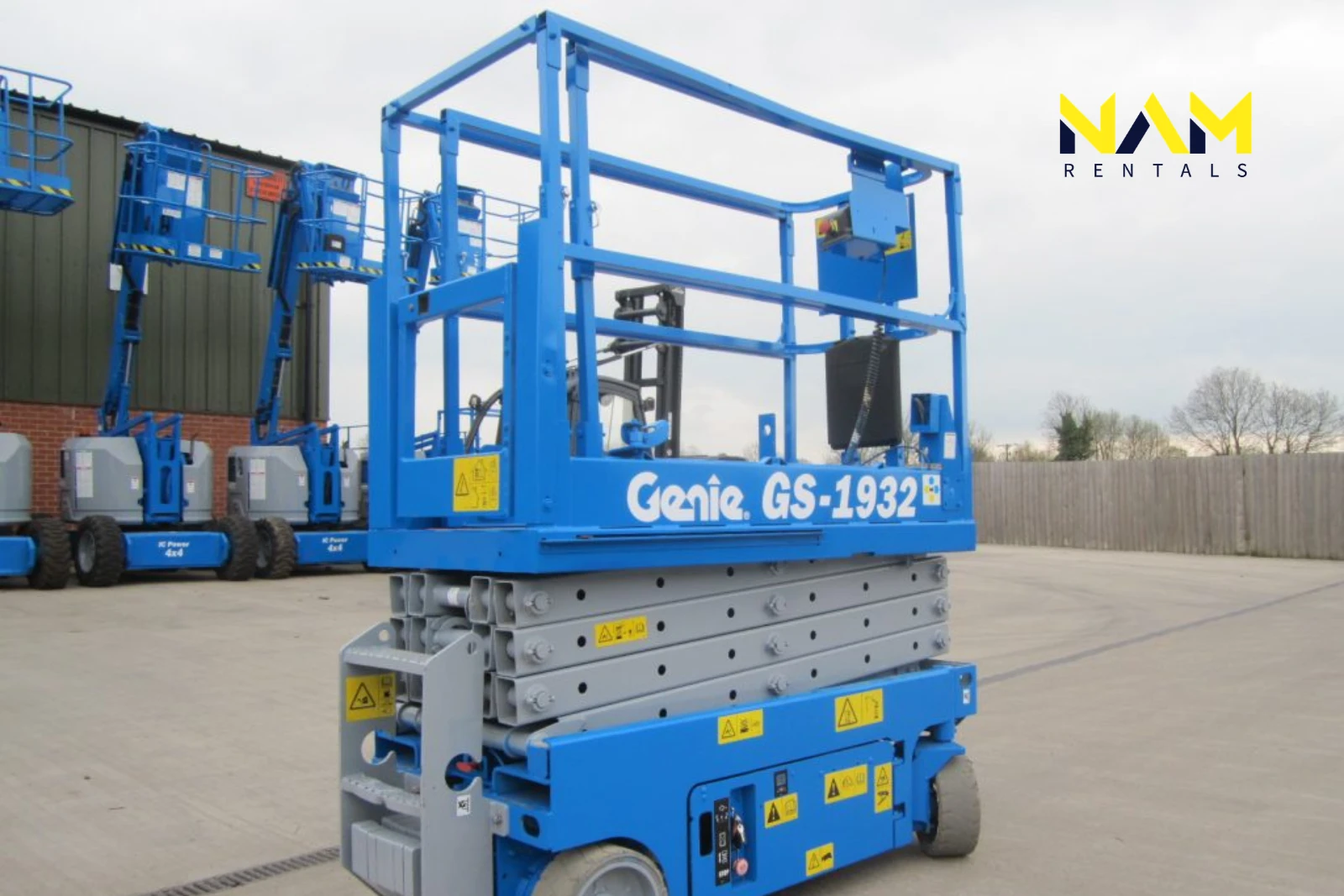
Scissor lifts fall under a category called Mobile Elevating Work Platforms, often abbreviated as MEWPs.
These machines are designed to lift workers vertically so they can perform tasks at height. Because they involve elevation and moving machinery, they are considered potentially hazardous equipment.
Ontario workplace safety laws require employers to ensure workers are trained and competent when operating such equipment.
This does not always mean a formal government certificate is required, but it does mean training is mandatory.
Ontario’s Occupational Health and Safety Act (OHSA) requires employers to provide proper training and supervision for workers who operate equipment.
For scissor lifts, the requirement is clear. Workers must be trained and competent before using the machine.
Competent means the worker understands:
How the equipment operates.
What safety procedures must be followed.
What hazards are present on the job site.
Training must include both classroom instruction and practical equipment operation.
Employers are responsible for ensuring workers receive this training before operating lifts independently.
A proper scissor lift training program typically includes several core topics.
Operators learn how the machine functions. They learn how to control elevation, movement, and emergency stop systems.
Training also covers:
Load capacity limits.
Tilt sensors and safety alarms.
Fall protection requirements.
Ground stability checks.
Weather and wind considerations.
Practical training allows operators to practice using the equipment safely under supervision.
Ontario regulations focus on competency rather than a specific government license.
However, many companies provide a training certificate after the course is completed. This certificate proves that the worker completed the training program.
On many construction sites, supervisors request proof of training before allowing workers to operate scissor lifts.
While the law emphasizes competency, certification documents help verify that competency.
Beyond basic training, some additional certifications improve job site safety and professionalism.
These may include:
Fall protection training.
Working at heights training.
Advanced MEWP training.
Job site hazard assessment training.
These programs are not always mandatory for scissor lift use, but they are strongly recommended on many construction projects.
Contractors often prefer workers who have these qualifications because they demonstrate greater safety awareness.
Proper training reduces incidents and improves productivity. Operators who understand the equipment work more efficiently and make fewer mistakes.
Training also reduces equipment damage. Incorrect operation can trigger tilt alarms, overload warnings, or unexpected shutdowns.
When workers are trained properly, projects run smoother and fewer delays occur.
Training alone is not enough. Contractors must still ensure safe working conditions before operating lifts.
This includes checking ground stability, confirming load capacity, and reviewing environmental conditions such as wind.
Supervisors should verify that only trained operators are using scissor lifts. They should also ensure safety procedures are followed consistently.
NAM Rentals provides dependable scissor lift rentals across Toronto and Ontario. Our equipment is inspected before delivery and maintained to meet safety standards.
We work with contractors to ensure lifts are matched to job site requirements and operating conditions. Our team also helps customers understand proper use and safety guidelines before equipment arrives on site.
Reliable equipment combined with trained operators helps projects run safely and efficiently.
Scissor lifts are valuable tools on construction and maintenance sites, but they must be operated responsibly. Ontario workplace safety laws require operators to be trained and competent before using this equipment.
While certification itself may not always be mandated by law, proper training is essential for safe operation and efficient job performance. Additional training programs further strengthen worker safety and professionalism.
For contractors across Toronto and Ontario, combining trained operators with reliable equipment creates the safest working environment. NAM Rentals supports this process by providing well-maintained scissor lift rentals and helping customers select the right equipment for each project.
Your trusted partner in construction equipment solutions, offering premium machinery from industry-leading manufacturers with 24/7 on-site support.
Sign up to receive exclusive offers & updates.