

Rough Terrain Lift Rentals in Ontario
Outdoor access is not only a height problem. It is a reach-pattern and ground-condition problem.
NAM Rentals provides rough terrain lift rental options across Ontario for exterior construction, structural work, building-envelope projects, installation, maintenance and other jobs where outdoor mobility matters.
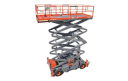
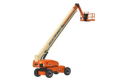
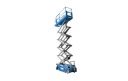
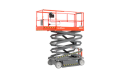
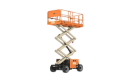
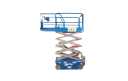
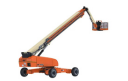
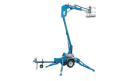
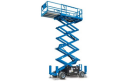
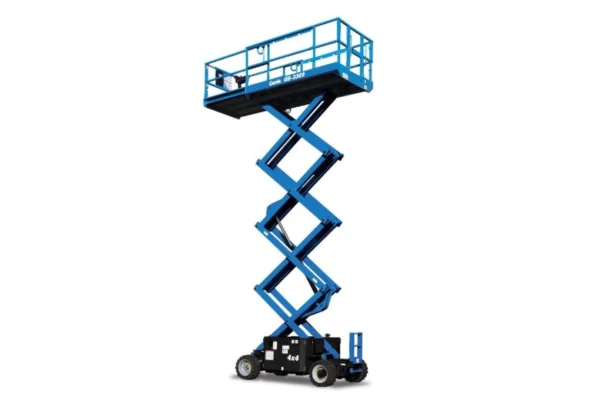
The current category gives contractors two very different ways to reach the work: a rough-terrain scissor lift for large vertical platform access, and a 4WD telescopic boom for projects that also require horizontal outreach.
Showing all 2 results
-
-
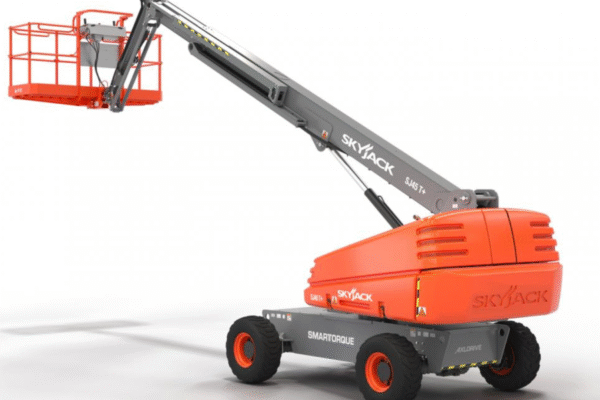
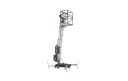
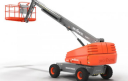
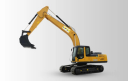
Skyjack SJ40/45 T+ | 40-45 ft. | 94 in Deck | Rough Terrain Dual Fuel Scissor Lift
$ 300.00 - $ 4,200.00Toronto, Canada
Choose the Reach Pattern Before the Machine
Start by looking at where the work sits relative to the machine.
Directly Above the Machine
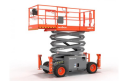
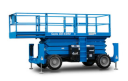
If the crew can position the base directly below the work and needs a larger platform for people, tools and materials, start with rough terrain scissor lift rentals. A scissor lift rises vertically and is strongest when the work stays above the chassis.
Above and Away From the Machine
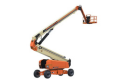
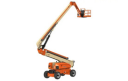
If the work sits beyond an obstacle, setback or area where the base cannot be positioned directly underneath, compare straight boom lift rentals. A telescopic boom adds horizontal reach as well as height.
Two Machines, Two Different Access Geometries
The category currently includes two machines, and they solve different access problems.
| Current machine | Access type | Key working range | Best fit |
|---|---|---|---|
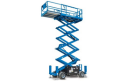
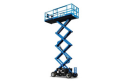
| Genie GS-3369 RT | 4WD rough-terrain scissor lift | 38 ft 8 in working height; 1,000 lb platform capacity | Large vertical platform directly below the work |
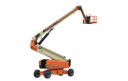
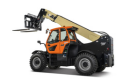
| Skyjack SJ40/45 T+ | 4WD telescopic boom lift | 46 ft 7 in / 51 ft 1.5 in working height; up to 39 ft 8 in horizontal reach | Vertical plus horizontal outreach on outdoor sites |
This is the key difference: the Genie is a vertical-access platform, while the Skyjack is a telescopic boom designed to reach up and out.
“Rough Terrain” Is Not Permission to Use Any Surface
Rough-terrain equipment is built for more demanding outdoor mobility, but the label does not remove the need to evaluate the supporting surface.
Before delivery, check the route and work area for firmness, slope, holes, soft shoulders, trenches, drop-offs and other conditions that could affect stability. The machine must still be used within the manufacturer’s operating limits.
For a deeper jobsite-safety explanation, read NAM’s wind, slopes and uneven ground guide.
Where Rough Terrain Access Earns Its Place
This category makes the most sense when the project combines outdoor access with a demanding route to the work area.
- Exterior cladding and building-envelope work
- Steel and structural installation
- Window and façade installation
- Roof-edge and exterior maintenance
- Signage and exterior electrical work
- Construction sites where 4WD mobility is valuable
- Projects that need a larger outdoor work platform
- Jobs requiring horizontal outreach around an obstacle
The Platform Question Comes Before the Height Question
Two machines can reach a similar elevation and still be completely different rentals.
Choose the rough-terrain scissor lift when crew space, platform capacity and straight vertical access are the priority. Choose the telescopic boom when the operator needs to reach away from the chassis as well as upward.
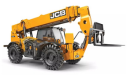
If the job is on a firm, level indoor surface instead, compare electric scissor lift rentals. If material rather than people needs to be placed at height, the better category may be telehandler rentals.
Measure the Whole Route, Not Just the Work Height
A rough-terrain machine is physically larger than many compact slab lifts. Before booking, measure the delivery entrance, travel path, turning area, work-zone width and overhead clearance.
The Genie GS-3369 RT is listed at 5 ft 9 in wide. The Skyjack SJ40/45 T+ is listed at 7 ft 6 in stowed width. Those dimensions can determine whether the machine reaches the work area at all.
For projects still deciding on the required height class, see NAM’s scissor lift size guide.
Price the Access Plan, Not Just the Day Rate
The current product listings show daily, seven-day and monthly rental options. For multi-day work, compare the rental period the project actually needs instead of multiplying the one-day rate.
Also account for delivery, site access, the amount of repositioning required and whether the selected lift can reach every work area without changing equipment.
A machine with a higher daily rate can still be the more economical choice if its reach pattern removes repeated setup changes or eliminates the need for a second lift.
Know When the Job Belongs in Another Equipment Category
The right rental starts with the machine class that actually matches the job.
If the work is indoor and vertical, use electric scissor lift rentals. If the project needs substantial horizontal outreach, use straight boom lift rentals. If the objective is placing materials rather than elevating workers, use telehandler rentals. For projects requiring several machine classes, use NAM’s broader construction equipment rentals catalogue.
The 60-Second Rough Terrain Lift Brief
Before requesting a quote, send these details:
- Required working height
- Whether horizontal outreach is required
- Number of workers and approximate platform load
- Ground and surface conditions
- Narrowest access point
- Any slope or grade on the travel route
- Rental duration
- Ontario jobsite address
Rough Terrain Lift Rental FAQs
1. What is a rough terrain lift?
2. What is the difference between a rough-terrain scissor lift and a telescopic boom lift?
3. What rough terrain lifts are currently on this NAM Rentals page?
4. How high does the Genie GS-3369 RT reach?
5. How high does the Skyjack SJ40/45 T+ reach?
6. Can rough terrain lifts operate on uneven ground?
7. Can I use a rough terrain lift indoors?
8. When should I choose a scissor lift instead of a boom lift?
9. Is a telehandler the same as a rough terrain lift?
10. Do operators need training in Ontario?
11. Can I rent rough terrain lifts by the day, week or month?
12. What information should I provide before booking?
Choose the Lift by How the Work Sits in Space
If the work is directly overhead and the crew benefits from a larger platform, start with the rough-terrain scissor lift.
If the work is higher and farther away, compare the telescopic boom.
Then confirm the route, surface, platform load and rental period before the machine is dispatched.