


Excavator Rentals in Ontario
Every excavation starts with the same decision: how much machine does the job actually need?
NAM Rentals offers excavator rentals across Ontario for foundations, trenching, site preparation, earthmoving, demolition preparation and large construction projects.
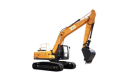
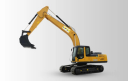
The current fleet spans four useful size classes, from a 15-ton crawler excavator for tighter sites to 30-ton and 35-ton machines for heavier excavation and higher production.
Choose by the work in front of the machine, not simply by tonnage.
Showing all 4 results
-

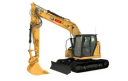
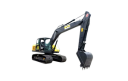
CAT 315F | 15-Ton | Hydraulic Excavator – Powerful Earthmoving Workhorse
$ 989.00 - $ 9,700.00Ontario, Canada -

-

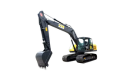
CAT XCMG XE235C | 23.5T | Hydraulic Excavator – Heavy Earthmoving Equipment
$ 1,200.00 - $ 10,500.00Toronto, Canada -

Four Excavator Classes, Four Different Jobs
| Machine Class | Best Starting Point |
|---|---|
| 15 ton | Utility work, foundations, trenching, tighter sites |
| 23.5 ton | General construction and mid-size excavation |
| 30 ton | Larger foundations, deep excavation, truck loading |
| 35 ton | Bulk earthmoving and high-production excavation |
The larger excavator is not always the better rental.
A machine that is oversized for the site can create transport, access and swing-space problems. A machine that is too small can slow production through extra digging and loading cycles.
The goal is to find the smallest excavator that can complete the work efficiently.
Start With the Dig, Then Choose the Excavator
Instead of starting with a model number, define the excavation.
How deep?
Foundation excavation and utility trenching can require very different digging envelopes.
How much material?
Moving a few loads of soil is different from cutting and loading hundreds of cubic metres.
How much room?
Check machine access, tail swing, travel paths and room for trucks or stockpiles.
Where is the material going?
If material is leaving the site, truck positioning matters. If it stays on site, make sure the excavator can place it efficiently without constant repositioning.
That workflow often determines the correct machine faster than comparing horsepower or brand names.
What Each Size Class Brings to the Site
15-Ton Excavators
A 15-ton excavator offers meaningful digging capability while remaining more manageable than the largest machines in the fleet. It can be a strong fit for:
- Foundation work
- Utility trenches
- Site preparation
- Grading
- General construction
- Projects with tighter operating space
23.5-Ton Excavators
The mid-size class provides a balance between machine footprint and excavation productivity.
It can suit contractors who need more reach and material-moving ability than a smaller excavator without immediately moving into a 30-ton-plus machine.
30-Ton and 35-Ton Excavators
These machines are better suited to jobs where production becomes the priority. Common applications include:
- Bulk excavation
- Deep foundations
- Large site cuts
- Truck loading
- Major trenching
- Heavy construction
- Demolition preparation
- High-volume earthmoving
NAM Rentals currently lists CAT, XCMG and Komatsu excavators across these four size classes.
Think in Cycles, Not Just Tonnes
Excavator productivity is built one bucket cycle at a time.
If the machine has to swing too far, reposition constantly or wait for trucks, a larger excavator will not automatically make the project faster.
A good excavation layout considers:
- Where the machine will sit
- Where the material will be dug
- Where trucks or stockpiles will be positioned
- How far the machine needs to swing
- How often the excavator must travel or reposition
The right machine should fit that workflow.
Excavator Rental Rates in Ontario
NAM Rentals’ current excavator listings show pricing across daily through longer-term rental ranges, with listed rates varying by machine size.
Rental cost can depend on:
- Excavator size
- Rental duration
- Transportation
- Site location
- Attachment requirements
- Availability
For a longer project, compare the weekly or extended rental option rather than estimating the entire job from a one-day rate.
The cheapest machine per day is not necessarily the cheapest machine for the project if it requires significantly more time to complete the excavation.
One Excavator Is Often Part of a Larger Equipment Plan
Excavation is usually only one phase of the job.
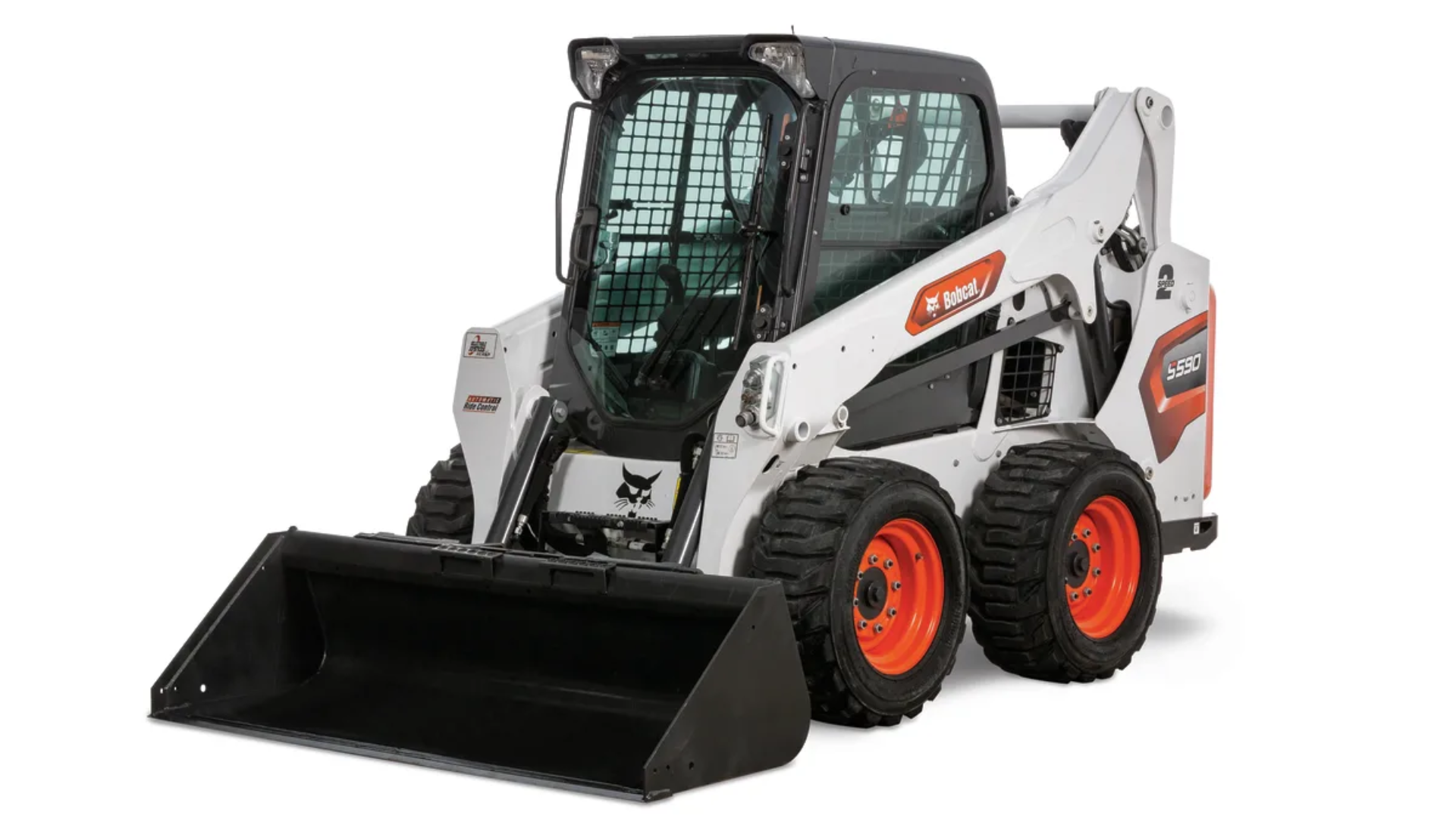
A skid steer or track loader may handle cleanup and grading. A telehandler may support material movement. A boom or scissor lift may be required once structural or installation work begins.
NAM Rentals provides construction equipment rentals across these categories, allowing contractors to plan equipment around each stage of the project instead of forcing one machine to handle everything.
What to Send With Your Rental Request
To help narrow the excavator class, provide:
- Type of excavation
- Approximate digging depth
- Material being excavated
- Estimated volume
- Site dimensions
- Access restrictions
- Truck-loading requirements
- Rental duration
- Attachment requirements
- Ontario jobsite address
A clear scope is more useful than simply requesting “a large excavator.”
Excavator Rental FAQs
1. What size excavators does NAM Rentals offer?
2. What size excavator should I rent?
3. Is a 15-ton excavator suitable for foundation work?
4. When should I rent a 30-ton excavator?
5. What is a 35-ton excavator best used for?
6. Can I rent an excavator for trenching?
7. Can excavators be used for demolition?
8. What is the difference between an excavator and a skid steer?
9. How much does it cost to rent an excavator in Ontario?
10. Can I rent an excavator for one day?
11. Do you deliver excavators across Ontario?
12. What information should I provide before renting an excavator?
13. Do excavators require special attachments?
14. How do I know if my site can handle a large excavator?
Choose the Excavator Around the Work
Excavator selection should come down to three things: what needs to be dug, how much material needs to move, and how efficiently the machine can work within the available space.
Browse the available 15-ton to 35-ton fleet above or contact NAM Rentals with your Ontario project details to compare the current excavator options.