



Heavy Earthmoving Equipment Rentals in Ontario
Heavy excavation is measured in production, not just machine size.
NAM Rentals provides heavy earthmoving equipment rentals across Ontario for excavation, foundations, trenching, site development, demolition preparation, loading and large-volume material movement.
The current fleet spans 15-ton to 35-ton hydraulic crawler excavators, giving contractors a practical range between tighter-site excavation and higher-production earthmoving.
Browse the machines below and choose around the volume of work, digging requirements and space available on the site.
Showing all 4 results
-
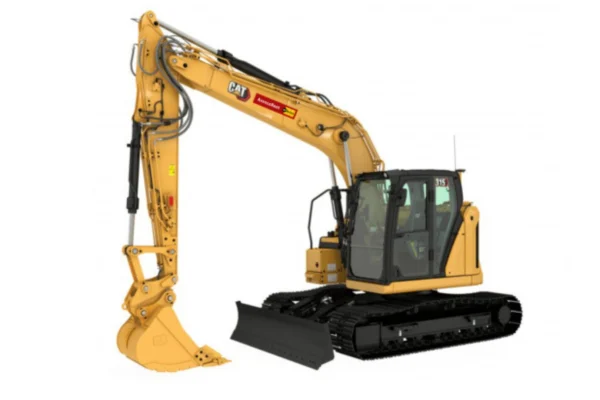
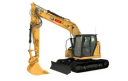
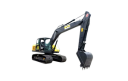
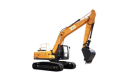
CAT 315F | 15-Ton | Hydraulic Excavator – Powerful Earthmoving Workhorse
$ 989.00 - $ 9,700.00Ontario, Canada -
-
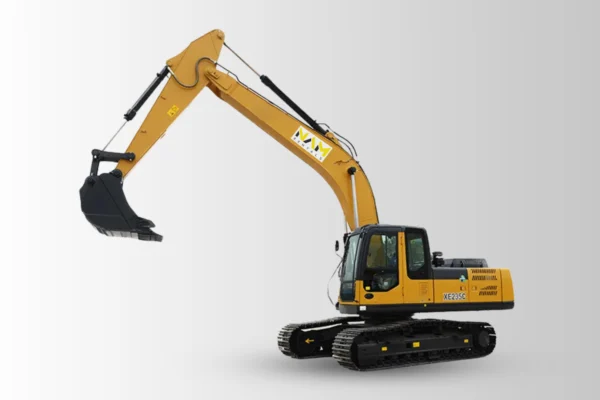
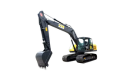
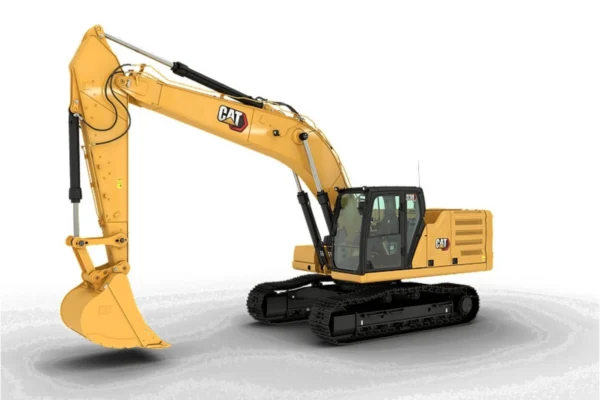
CAT XCMG XE235C | 23.5T | Hydraulic Excavator – Heavy Earthmoving Equipment
$ 1,200.00 - $ 10,500.00Toronto, Canada -
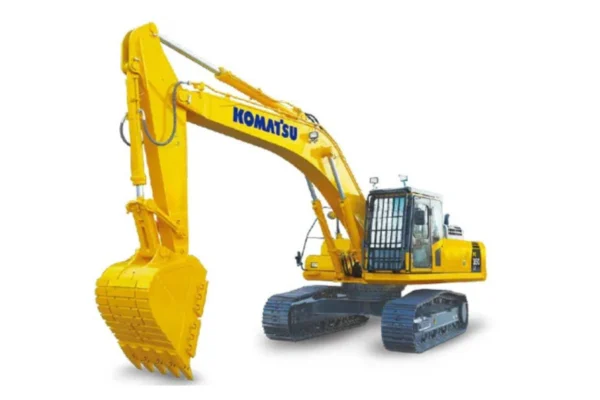
Four Excavator Classes. Different Levels of Production.
The machine should match the scale of the work.
| Excavator Class | Where It Fits |
|---|---|
| 15 ton | Utility work, foundations, trenching and sites where machine footprint matters |
| 23.5 ton | General site development and demanding mid-size excavation |
| 30 ton | Larger foundations, deep excavation, bulk earthmoving and truck loading |
| 35 ton | Heavy excavation and projects where sustained production is the priority |
Moving up in tonnage can add digging capability and material-handling capacity, but it also increases transportation, access and operating-space requirements.
The most productive excavator is the one sized correctly for both the workload and the site.
Start With the Volume of Earth
A small excavation and a major site cut should not begin with the same equipment decision. Ask:
- How much material needs to move?
- How deep is the excavation?
- How far does material need to be reached or loaded?
- How much room is available for the machine to swing and travel?
- What will happen to the excavated material?
These questions tell you more than simply asking for “a large excavator.”
For example, a tighter site may benefit from the 15-ton class even when a larger machine offers more production. On an open site moving substantial volumes of earth, the additional capacity of a 30-ton or 35-ton excavator can become more important.
From Precision Digging to Bulk Earthmoving
15-Ton Excavation
The CAT 315F provides a more compact footprint within the current heavy-earthmoving fleet.
It can suit trenching, foundations, utility work, grading and site preparation where contractors need meaningful digging capability without moving immediately into a 30-ton machine.
Mid-Size Production
The 23.5-ton class sits between compact heavy excavation and the larger 30-ton-plus machines.
This can make it useful for general construction and site-development work where both productivity and manageable machine size matter.
30-Ton and 35-Ton Excavation
Larger crawler excavators are better suited to jobs where production becomes the primary concern. Typical work can include:
- Bulk excavation
- Deep foundations
- Large utility trenches
- Site development
- Basement excavation
- Demolition preparation
- Loading trucks
- Moving larger volumes of soil and aggregate
The larger machine should earn its place on the site through higher production, not simply because more tonnage is available.
Digging Depth Is Only One Specification
Contractors often compare excavators by maximum digging depth, but production depends on several factors working together.
Reach
Can the excavator work efficiently without constantly repositioning?
Bucket Capacity
Does the machine move enough material per cycle for the required production rate?
Swing Space
Is there enough room to dig, swing and load safely?
Ground Conditions
Can the site support the machine and its operating weight?
Truck Positioning
If material is leaving the site, can trucks be positioned efficiently around the excavator?
A machine with impressive specifications can still lose productivity when the site layout forces unnecessary movement.
Build the Excavation Around the Workflow
Efficient earthmoving is not just about digging faster.
The excavator, haul trucks, stockpile area and access route should work as one system.
Before selecting equipment, consider where material will be placed after every bucket cycle.
If trucks are being loaded, plan their approach and departure so the excavator does not spend unnecessary time waiting or making oversized swings.
If material remains on site, confirm where the stockpile will be placed and whether the excavator has enough reach to work efficiently.
Small improvements in machine positioning can matter over hundreds of cycles.
Rental Rates for Heavy Earthmoving Equipment
Rental cost depends on excavator size, project duration, transportation and current availability.
NAM Rentals’ current listings include daily, weekly and monthly pricing across its 15-ton to 35-ton excavators.
For longer projects, compare the weekly or monthly rate instead of estimating the entire job using the single-day price.
Also consider:
- Delivery and pickup
- Required attachments
- Site accessibility
- Rental duration
- Equipment availability
- Project schedule
The lowest daily rate is not necessarily the lowest project cost if the machine cannot achieve the production the job requires.
More Than the Excavation Phase
Heavy excavation often sits at the centre of a larger equipment plan.
Before digging starts, compact machines may handle site preparation. Telehandlers and forklifts may support material movement. Aerial equipment may be required as the project moves into structural and installation phases.
NAM Rentals provides construction equipment rentals across these categories, allowing equipment requirements to follow the project from ground preparation through later construction stages.
Before Booking an Excavator
Send these details with your rental request:
- Type of excavation
- Approximate digging depth
- Amount of material to be moved
- Site dimensions and access
- Ground conditions
- Material type
- Truck-loading requirements
- Rental duration
- Required attachments
- Ontario jobsite location
The more clearly the work is defined, the easier it is to select the correct excavator class.
Heavy Earthmoving Equipment Rental FAQs
1. What heavy earthmoving equipment does NAM Rentals offer?
2. What size excavator should I rent?
3. When is a 15-ton excavator a good choice?
4. When should I move up to a 30-ton excavator?
5. What is a 35-ton excavator used for?
6. How deep can the available excavators dig?
7. Can excavators be used for foundation work?
8. Can I rent an excavator for trenching?
9. What is the difference between a skid steer and an excavator?
10. How much does it cost to rent a heavy excavator in Ontario?
11. Can I rent an excavator for one day?
12. Do you deliver heavy earthmoving equipment across Ontario?
13. What information is needed before renting an excavator?
14. Do excavator operators need training?
Match Tonnage to Production
Heavy earthmoving equipment should earn its place on the jobsite through production.
Too little machine can slow the excavation. Too much machine can create unnecessary transportation, access and operating-space problems.
Browse the available 15-ton to 35-ton excavators above or contact NAM Rentals with the excavation scope, site conditions and project schedule to compare the current fleet.
Nearby Locations
Top Cities for Heavy Earthmoving Products | NAM RENTALS Rentals near Ontario, ON
- Heavy Earthmoving Products | NAM RENTALS Rentals in Brampton, ON
- Heavy Earthmoving Products | NAM RENTALS Rentals in Mississauga, ON
- Heavy Earthmoving Products | NAM RENTALS Rentals in Etobicoke, ON
- Heavy Earthmoving Products | NAM RENTALS Rentals in Scarborough, ON
- Heavy Earthmoving Products | NAM RENTALS Rentals in Markham, ON
- Heavy Earthmoving Products | NAM RENTALS Rentals in Toronto, ON
- Heavy Earthmoving Products | NAM RENTALS Rentals in Guelph, ON
- Heavy Earthmoving Products | NAM RENTALS Rentals in Pickering, ON