CSA vs ANSI Standards in Canada. Practical Job Site Guide
Summary (TL;DR)
CSA and ANSI standards often appear together on Canadian job sites. CSA is Canadian. ANSI is American. Equipment labels may show ANSI while site paperwork demands CSA terms. Contractors should follow provincial law and site contract rules first. Then align training, inspections, and fall protection to the stricter requirement when needed. NAM Rentals helps Ontario and Toronto crews match equipment documentation to job site requirements to reduce compliance risk.
Introduction
Canadian job sites run on rules. Those rules often reference standards. The problem starts when two standard systems show up at the same time. CSA appears on one document. ANSI appears on another document. The equipment sticker may show ANSI. The site paperwork may demand CSA. Workers get confused. Supervisors get frustrated.
This confusion is common with access equipment and fall protection. It is also common with scissor lifts and boom lifts. It shows up during audits. It shows up after incidents. It shows up when a client asks one simple question. Which standard do we follow today.
This guide explains the difference in plain language. It also explains what to do on a real job site in Canada.
What CSA means in Canada
CSA refers to Canadian Standards Association standards. Today many CSA standards are published through CSA Group. These standards are widely used across Canada. They often align with Canadian regulations and industry practice.
CSA standards are not always “laws” by themselves. But they are often referenced by law. They are often referenced by contracts. They are often referenced by safety programs.
ANSI refers to American National Standards Institute standards. ANSI standards are common on equipment built for the North American market. Manufacturers often design machines to ANSI requirements. Training materials often reference ANSI.
A common example is ANSI A92 for mobile elevating work platforms. That includes many boom lifts and some scissor lift categories. Industry groups describe the ANSI A92 suite and what it covers.
ANSI is not Canadian law. But it still matters in Canada. It matters because equipment may be built and labeled to ANSI. It matters because best practice guidance often uses ANSI language. It matters because site owners sometimes require it.
Why the confusion happens
Confusion happens for three main reasons.
First, equipment moves across borders. A lift may be made in the United States. It arrives with ANSI labels and manuals. It then gets used in Ontario or Alberta. The site safety team expects CSA terms.
Second, wording has changed over time. The term MEWP is now common. Older documents still say AWP. Many crews still say aerial lift. Some standards use one term. Some use another term.
Third, provinces enforce safety laws. Those laws may not say CSA or ANSI in one simple sentence. They may require training, planning, inspections, and competent operation. That forces employers to choose standards that prove compliance. In Ontario, basic awareness training is addressed in O. Reg. 297/13.
CSA vs ANSI: Which Standard Should You Follow?
If you are…
Follow
Working on a Canadian job site
CSA standards and provincial OH&S regulations
Working in the United States
ANSI/ASSP standards and OSHA requirements
Renting equipment in Canada
Verify CSA compliance with your rental provider
Managing projects in both Canada and the U.S.
Ensure equipment and operator training meet the requirements of each jurisdiction
The job site truth
Law and contract decide first
If a regulation requires a specific approach, follow that. If a contract requires a specific standard, follow that. If a client site rule requires one, follow that.
When the law is broad, the safe move is to follow the stricter requirement. This reduces risk. It also reduces arguments during an inspection.
Where this matters most
MEWPs and fall protection
Most CSA vs ANSI problems show up in two places.
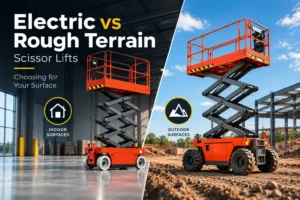
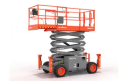
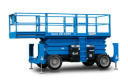
The first place is elevated work platforms. That includes scissor lifts and boom lifts. ANSI A92 is widely known. CSA has its own related framework used in Canada. Manufacturers also publish guidance that compares ANSI and CSA for aerial equipment.
The second place is fall protection gear. Canada often uses CSA Z259 standards for harnesses, lanyards, connectors, and selection guidance. CCOHS provides a practical overview of Canadian fall protection standards and legislation context.
Practical rule for Canadian contractors
On a Canadian job site, do this. Use it as your internal policy.
Start with the provincial requirement. Confirm what training is required. Confirm what the site owner requires. Confirm what the contract requires. Then check the equipment manual and labels. Then choose a standard set that satisfies all of it.
If a lift is labeled ANSI and the site requires CSA language, do not panic. Align your paperwork. Use competent training. Use a pre use inspection. Use a rescue plan when required. Document everything.
A simple decision checklist that works
You can use this process on every site. It prevents mistakes. It also makes audits easier.
Begin by listing the equipment type. Identify if it is a scissor lift or boom lift or telehandler with a platform. Confirm the manufacturer model and year. Then confirm what the equipment label states.
Next, confirm what your site safety plan references. Check if it says CSA, ANSI, or both. Then check your client site rules. Some sites mandate CSA terms even when equipment is ANSI labeled.
After that, confirm training alignment. Ensure the operator is trained for the class of machine they will use. Ensure familiarization is documented for that specific model.
Then confirm fall protection requirements. Confirm anchor points. Confirm harness and lanyard ratings. Confirm whether travel restraint or fall arrest is required. Use gear that matches Canadian standards when working in Canada.
Finally, document the decision. Keep the manual on site. Keep inspection logs. Keep training records. This solves most compliance arguments before they start.
NAM Rentals
How we reduce CSA vs ANSI confusion
NAM Rentals supports contractors across Ontario and Toronto with practical rental support. We know job sites often involve mixed standard language. We help teams avoid mistakes before equipment arrives on site.
We provide equipment documentation with every rental. We explain what the machine label states. We help you match your site plan to the equipment type. We also support training readiness.
If your project team is building a rental plan across multiple trades, start with this resource on construction equipment rentals in Toronto. It helps you plan equipment selection and site readiness with fewer surprises.
Our goal is simple. Fewer delays. Fewer safety gaps. Cleaner compliance during inspections.
FAQs
CSA vs ANSI standards Canada
Are CSA standards law in Canada They are often voluntary but they are frequently referenced by regulation or contract.
Are ANSI standards accepted in Canada They can be accepted for equipment design and best practice but site requirements may still demand CSA alignment.
What is the biggest risk of mixing CSA and ANSI Confusion leads to wrong training, wrong paperwork, or unsafe setup.
Do scissor lifts follow ANSI or CSA Many are built to ANSI labeling but Canadian sites may require CSA aligned procedures.
Do boom lifts follow ANSI or CSA Many are built to ANSI A92 frameworks while Canada may use CSA related references for safe use and training.
What does MEWP mean It means mobile elevating work platform and it includes many lift types.
What should I follow during an inspection Follow provincial law, site rules, and documented safe procedures that match the equipment type.
Does Ontario require training for working at heights Ontario requires specific training in certain cases and also requires general awareness training.
Is fall protection different in Canada Yes. Canada commonly uses CSA Z259 series standards for many components.
Can an ANSI harness be used in Canada Use equipment that meets Canadian requirements when working in Canada and follow site policy.
What if my client demands CSA only Follow the contract and document compliance steps that satisfy that requirement.
What if the equipment manual is ANSI based Use the manual for safe operation and align your training and policy language to Canadian job site rules.
Is ANSI A92 mandatory in Canada Not automatically. It is a standard, but it is widely used as an industry reference.
How do I prevent confusion on multi employer sites Set one written standard approach in the site safety plan and brief all crews before work begins.
What documents should I keep on site Keep manuals, daily inspections, training proof, and any rescue plan documentation.
Does the stricter standard always win In practice, choosing the stricter requirement reduces risk and makes audits easier.
Do rental companies help with standards confusion Good rental partners provide documentation and guidance for equipment compliance needs.
Can NAM Rentals help me choose the right lift Yes. We help match lift type to job site conditions and compliance expectations.
What is the fastest way to solve CSA vs ANSI arguments Put the decision in writing and link it to law, contract, and equipment documentation.
Where can I read about Canadian fall protection standards CCOHS provides a strong overview of related Canadian standards and legislation context.
Can ANSI standards be used on Canadian job sites?
Yes, ANSI standards may be recognized in certain situations, especially when equipment is manufactured for the U.S. market. However, Canadian employers should follow applicable CSA standards and provincial occupational health and safety regulations. When both standards are available, CSA requirements generally take precedence for compliance on Canadian job sites.
Do all Canadian provinces follow the same CSA standards?
Most provinces reference CSA standards for workplace safety, but regulations and enforcement can vary depending on the provincial authority. Employers should always verify the specific occupational health and safety requirements that apply in the province where the work is being performed.
Are CSA standards mandatory in Canada?
CSA standards are not automatically laws, but they often become mandatory when they are referenced in provincial or federal legislation, building codes, or workplace safety regulations. Employers should confirm which standards have been adopted by their local jurisdiction.
Can I use ANSI-certified aerial equipment in Canada?
Yes, many ANSI-certified aerial lifts can be used in Canada if they also meet applicable Canadian regulations and workplace safety requirements. Before operating the equipment, verify that it complies with provincial legislation, manufacturer recommendations, and any CSA requirements relevant to the job site.
Who enforces CSA safety requirements on Canadian construction sites?
CSA standards are typically enforced through provincial occupational health and safety authorities rather than by CSA itself. Safety inspectors may verify that employers are following regulations that reference CSA standards during workplace inspections or incident investigations.
Do rental companies inspect equipment according to CSA standards?
Reputable equipment rental companies perform regular inspections and maintenance in accordance with manufacturer recommendations and applicable Canadian safety requirements. Operators should still complete a pre-use inspection before every shift, regardless of the equipment’s maintenance history.
What happens if a company does not comply with CSA safety requirements?
Failure to comply with applicable workplace safety regulations may result in stop-work orders, fines, legal liability, increased insurance costs, and a higher risk of workplace injuries. Compliance also helps protect workers and demonstrates due diligence during safety audits.
Do workers need special training to operate CSA-compliant aerial lifts?
Yes. CSA-compliant equipment does not eliminate the need for proper operator training. Workers should receive training specific to the type of aerial lift they are operating, understand site hazards, and follow the manufacturer’s operating instructions along with provincial safety regulations.
How often should aerial lifts be inspected under CSA requirements?
Operators should perform a documented pre-use inspection before every shift, while employers should ensure scheduled maintenance and periodic inspections are completed according to manufacturer recommendations and applicable safety regulations. Inspection frequency may vary depending on equipment usage and workplace requirements.
How can I verify whether an aerial lift meets CSA requirements?
Check the manufacturer’s documentation, equipment labels, maintenance records, and operator manual. Rental providers can also confirm whether the equipment complies with applicable Canadian standards and is suitable for use on your specific job site.
Conclusion
CSA vs ANSI confusion is not a small issue. It creates real safety risk. It also creates real schedule risk. The fix is not complicated. You follow the law first. You follow the contract next. You match training and paperwork to the equipment you actually use. You document the decision and keep it on site.
When you do that, inspections get easier. Crews work with confidence. Projects run smoother. NAM Rentals helps Ontario and Toronto contractors do this the right way from day one.





 Scissor Lifts
  Forklifts / Telehandlers
  Compact Equipment
  Heavy Earthmoving
  Others