Summary (TL;DR)
A scissor lift emergency lowering rescue plan ensures workers can return safely to the ground if a lift stops operating at height. Most lifts include manual emergency lowering systems that allow ground personnel to lower the platform safely. Workers should remain calm, communicate with ground teams, and follow manufacturer instructions. Proper equipment inspections, battery management, and load control reduce the chance of lift failure. NAM Rentals provides dependable scissor lift rentals across Toronto and Ontario to support safe job site operations.
Introduction
Scissor lifts are designed with multiple safety systems. Mechanical failures are rare. However, unexpected situations can still occur.
Power loss, hydraulic issues, or electrical faults may prevent the platform from lowering normally. When a lift stops operating at height, workers must respond calmly and follow proper rescue procedures.
A well-prepared scissor lift emergency lowering rescue plan ensures workers can return safely to the ground without panic or unnecessary risk.
Every job site that uses scissor lifts should understand these procedures before work begins.
Why Emergency Rescue Planning Matters
Working at height always involves risk. Even well-maintained machines can experience issues such as battery depletion, control system errors, or hydraulic interruptions.
If operators are not trained in emergency procedures, a simple equipment problem can quickly become a stressful situation.
Planning ahead prevents confusion and ensures everyone knows how to respond safely.
Rescue planning also protects contractors from safety violations and potential injuries.
Common Causes of Lift Failure at Height
Most scissor lift failures are not mechanical breakdowns. They are operational conditions that prevent the lift from moving.
Typical causes include:
Battery power loss.
Tilt sensor activation.
Hydraulic pressure issues.
Control system faults.
Emergency stop button activation.
In many cases, the lift is functioning correctly but has locked out operation due to safety conditions.
Understanding these causes helps workers respond appropriately.
Emergency Lowering Systems
Most modern scissor lifts include a manual emergency lowering system. This system allows ground personnel to lower the platform safely when normal controls are unavailable.
Emergency lowering controls are usually located near the base of the machine. The location may vary by manufacturer.
The system may involve a manual valve or emergency descent switch. When activated, it releases hydraulic pressure and lowers the platform slowly.
Workers should never attempt emergency lowering unless they understand the procedure for that specific machine.
Step-by-Step Emergency Response
If a scissor lift stops working at height, the first step is to remain calm. Panic increases risk and leads to poor decisions.
Step one is to communicate with ground personnel. Workers on the ground must be informed immediately.
Step two is to check the platform controls. Sometimes the issue is a simple control lockout or emergency stop button.
Step three is to assess the environment. Confirm that the machine is stable and not affected by wind or ground movement.
If the lift still cannot be lowered using platform controls, ground personnel should activate the emergency lowering system according to manufacturer instructions.
Role of Ground Personnel
Ground personnel play a critical role during rescue procedures.
They should stay clear of the lift base while preparing the emergency lowering controls. They should ensure no workers or obstacles are below the platform before descent begins.
Communication between the platform and ground team must remain clear throughout the process.
Only trained personnel should operate emergency lowering systems.
When Professional Assistance Is Required
Some situations require professional help from the equipment provider.
Examples include:
Hydraulic system failure.
Control panel malfunction.
Electrical system errors.
Repeated safety lockouts.
In these cases, workers should remain safely on the platform while trained technicians assess the situation.
Never attempt mechanical repairs while elevated.
Preventing Emergency Situations
Many emergency scenarios can be avoided with proper preparation.
Operators should check battery levels before starting work.
Ground stability should be confirmed before elevating the platform.
Load limits must always be respected.
Daily equipment inspections help identify potential problems before they interrupt work.
Following these simple practices significantly reduces the likelihood of lift failure.
Job Site Rescue Planning
Every job site should establish a rescue plan before work begins.
This plan should include:
Identification of trained lift operators.
Location of emergency lowering controls.
Communication procedures.
Contact information for equipment providers.
Workers should review these procedures during safety briefings before operating lifts.
Prepared crews respond faster and safer during emergencies.
NAM Rentals – Supporting Safe Lift Operations
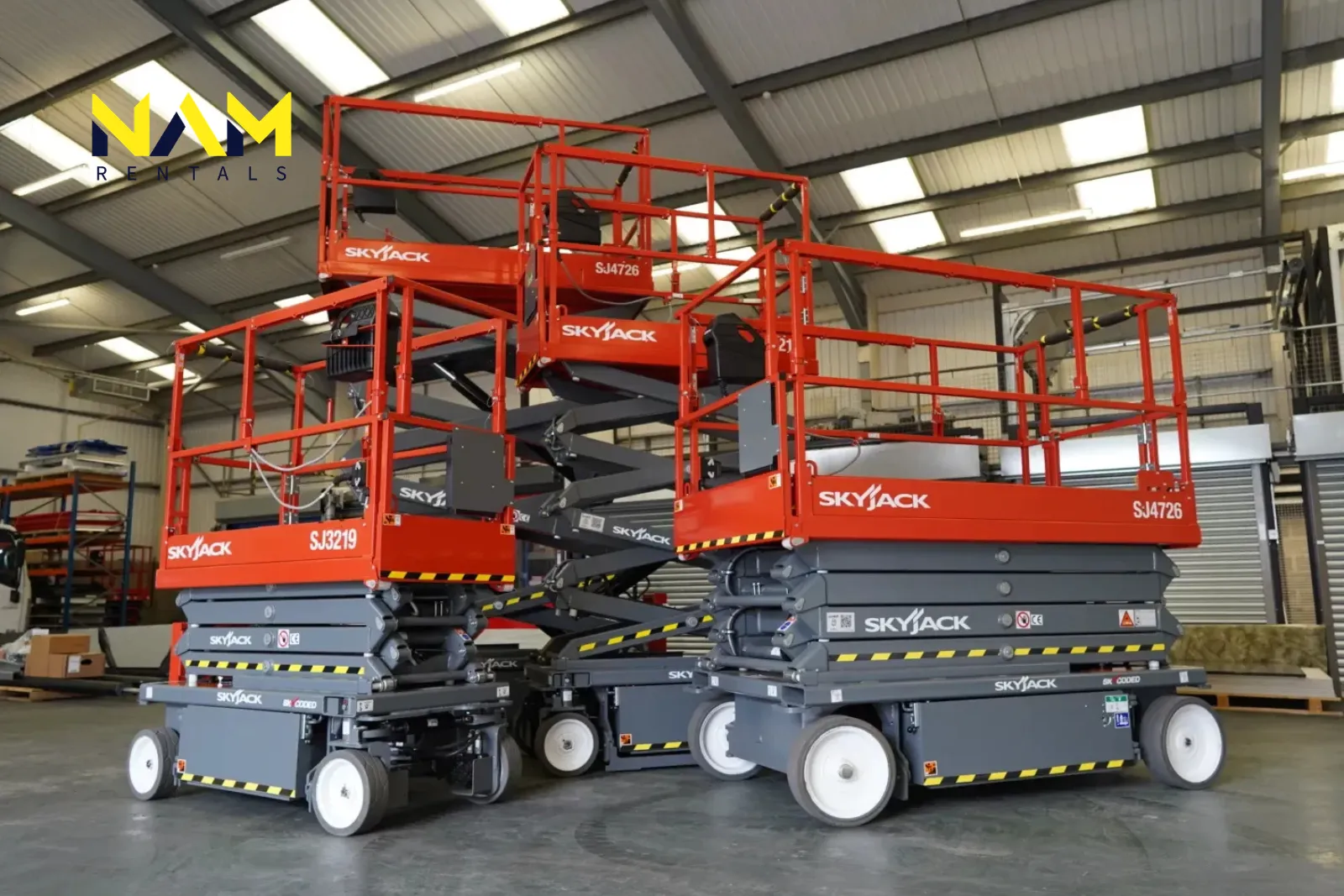
NAM Rentals provides reliable scissor lift rentals across Toronto and Ontario. Our equipment is inspected before delivery to ensure safe and dependable operation.
We help contractors select the right lifts for their projects and provide guidance on safe operation procedures. Our team is also available to assist customers if equipment issues arise during a rental period.
Reliable equipment and proper planning help reduce the likelihood of emergency situations on site.
FAQs
- What should I do if a scissor lift stops working at height?
Stay calm and communicate with ground personnel immediately. - Do scissor lifts have emergency lowering systems?
Yes. Most lifts include manual emergency lowering controls at the base. - Can operators fix the lift while elevated?
No. Mechanical repairs should never be attempted at height. - Who should operate emergency lowering controls?
Trained ground personnel should perform the emergency lowering procedure. - What causes lifts to stop working at height?
Common causes include low battery power, tilt sensor activation, or control lockouts. - Is it safe to remain on the platform during a failure?
Yes, if the lift is stable and workers follow rescue procedures. - Can wind affect emergency situations?
Yes. High wind increases risk and may complicate rescue procedures. - Should every job site have a rescue plan?
Yes. Emergency planning is an essential part of safe lift operation. - What if the emergency lowering system does not work?
Contact the equipment provider immediately for professional assistance. - Where can contractors find reliable scissor lift rentals in Ontario?
NAM Rentals provides dependable scissor lift rentals across Toronto and Ontario.
Conclusion
Emergency situations with scissor lifts are rare, but preparation is essential. Knowing how emergency lowering systems work and having a clear rescue plan ensures workers can return safely to the ground.
Calm communication, trained personnel, and proper procedures prevent panic and reduce risk during equipment issues.
Contractors who plan ahead protect both workers and project timelines. For teams across Toronto and Ontario, NAM Rentals provides reliable scissor lift rentals and dependable equipment support to keep job sites running safely and efficiently.





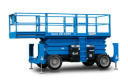
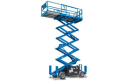


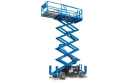 Scissor Lifts
  Forklifts / Telehandlers
  Compact Equipment
  Heavy Earthmoving
  Others