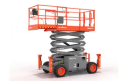
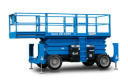
Narrow vs Wide Scissor Lifts: 32-Inch vs 46-Inch Models

Narrow vs Wide Scissor Lifts

TL;DR

NAM Rentals provides construction equipment rentals in Ontario for contractors, builders, facility managers, project managers, and homeowners. A 32-inch scissor lift is usually better for doors, narrow aisles, indoor routes, and tight work areas. A 46-inch scissor lift is usually better when the job needs more platform space, more tools, or better productivity in open areas. Contractors should choose based on access route, working height, platform capacity, floor condition, and task type. NAM Rentals helps Ontario customers choose practical scissor lift rentals that fit the site and the work.

Introduction

A scissor lift should fit the job. Not just the height. Not just the platform capacity. It also needs to fit the building, the doors, the aisles, the floor layout, and the work area. This is where width matters. For many Ontario contractors and facility teams, the choice often comes down to a narrow scissor lift or a wider scissor lift. In simple terms, that may mean comparing a 32-inch scissor lift with a 46-inch scissor lift. Both can be useful. A 32-inch scissor lift is often better for tight indoor access, standard doorways, narrow aisles, and finished spaces. A 46-inch scissor lift can offer more platform space, better productivity for certain tasks, and more room for tools or workers. The right choice depends on your site. NAM Rentals provides construction equipment rentals in Ontario for contractors, builders, facility managers, project managers, and homeowners. If you need scissor lift rental Ontario support, NAM Rentals can help you choose the right lift for your access route, work area, and project needs. This guide explains the difference between narrow and wide scissor lifts, when each one makes sense, and what to check before renting.

Why Scissor Lift Width Matters

Many people choose a scissor lift based on working height. That is important, but it is not the full decision. A lift with the right height can still cause problems if it is too wide for the job site. Width affects:
  • Door fit
  • Hallway movement
  • Aisle access
  • Turning space
  • Elevator access
  • Work positioning
  • Platform room
  • Tool and material handling
  • Productivity
  • Delivery and movement inside the building
This matters a lot in Ontario projects where work often happens inside existing buildings, commercial units, warehouses, schools, condos, retail stores, and parking garages. A wide machine may be productive once it is in place. But if it cannot reach the work zone, it creates delays. A narrow machine may fit better through the building. But if the platform is too small for the task, the job may take longer. The best rental choice balances access and productivity.

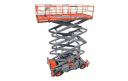
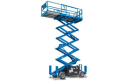
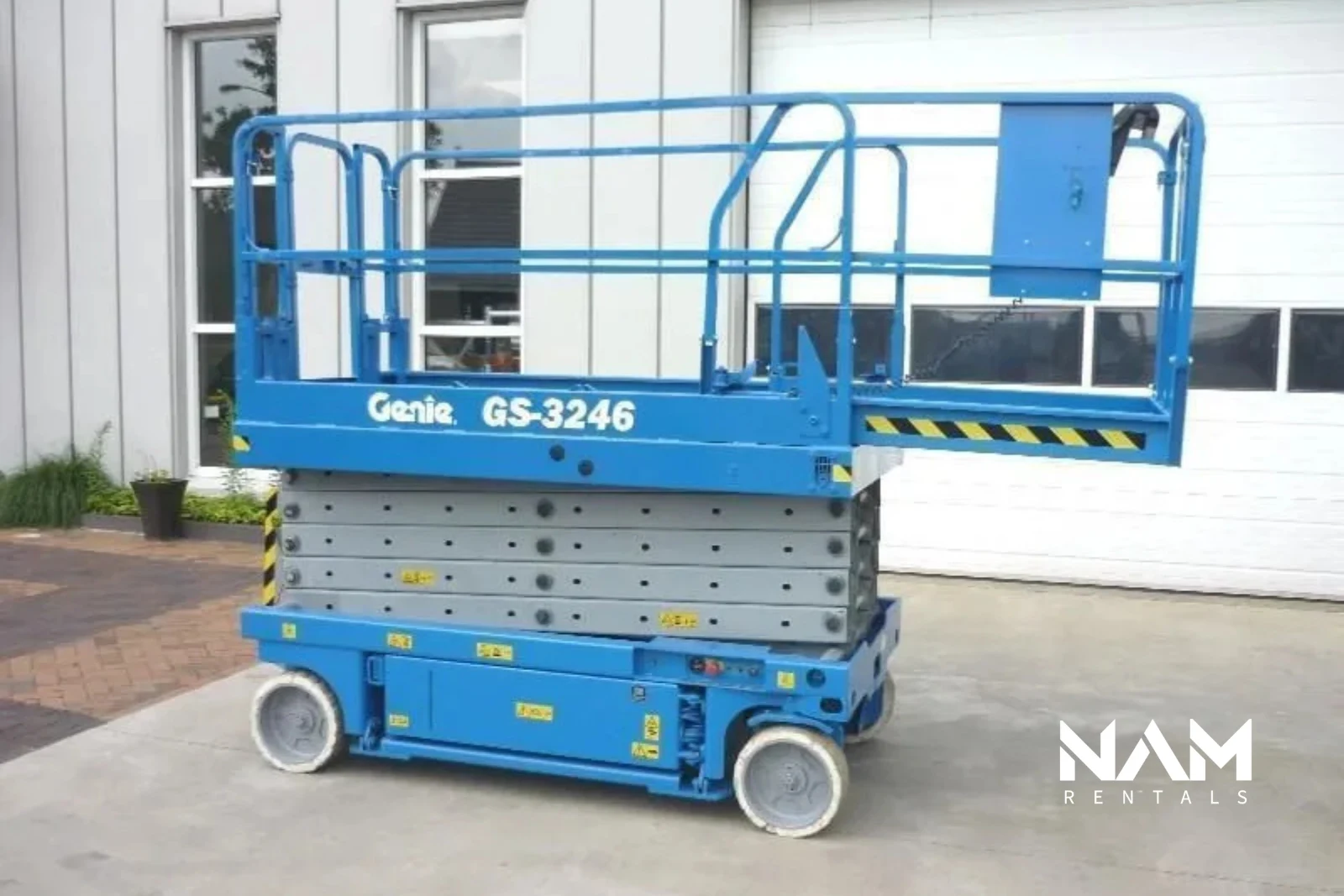
What Is a 32-Inch Scissor Lift?

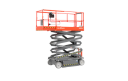
A 32-inch scissor lift is a narrow electric scissor lift designed for tight indoor spaces. It is often used where standard access is limited. Common uses include:
  • Indoor maintenance
  • Electrical work
  • Lighting replacement
  • Ceiling repairs
  • Retail fit-outs
  • Office renovations
  • Warehouse aisle work
  • Facility inspections
  • Signage installation
  • Small contractor tasks
The main advantage is compact width. A 32-inch model is often easier to move through standard doors, hallways, and narrow aisles. It can be a practical option when a larger scissor lift would be difficult to move into position. For many indoor projects, this makes a 32-inch lift a strong rental choice.

What Is a 46-Inch Scissor Lift?

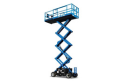
A 46-inch scissor lift is wider than a narrow indoor model. It usually gives workers more platform space and may support better productivity for jobs that need more room. Common uses include:
  • Larger indoor construction areas
  • Warehouse work
  • Ceiling installation
  • HVAC and duct access
  • Electrical rough-ins
  • Painting
  • Fire protection work
  • Commercial renovations
  • Light industrial work
  • Jobs needing more tools or materials at height
A 46-inch lift may not fit through all tight access points. But where space allows, it can be more efficient. The wider platform can help workers move better, carry more materials, and complete longer overhead tasks with fewer trips up and down.

Door Fit: When 32-Inch Lifts Win

Door fit is one of the biggest reasons to choose a 32-inch scissor lift. Many indoor job sites require the lift to move through standard doors. This can include office buildings, retail spaces, condos, schools, healthcare spaces, and finished commercial units. A narrow lift can often pass through tighter openings more easily than a wider model. Before renting, check:
  • Door width
  • Door frame width
  • Threshold height
  • Door swing
  • Hallway width after the door
  • Turns immediately after entry
  • Floor surface at the entrance
  • Any mats, plates, or uneven transitions
Do not only measure the door opening. Also check the route after the door. A lift may pass through the opening but struggle to turn once inside. This is common in small commercial spaces where the entry is narrow and the hallway turns quickly. For contractors searching for construction equipment rental near me, this is one of the most practical details to confirm before booking. A 32-inch lift often wins when the job requires movement through several rooms or narrow building access points.

Aisle Fit: Narrow Lifts Are Better for Tight Layouts

Aisle fit is another major factor. Warehouses, retail stores, storage rooms, and manufacturing facilities often have aisles that limit equipment movement. A 32-inch scissor lift can be useful for:
  • Narrow warehouse aisles
  • Retail aisles
  • Stockrooms
  • Storage facilities
  • Back-of-house areas
  • Mechanical rooms
  • Office corridors
  • Condo service areas
When the work area is tight, a narrow lift can reduce setup problems. It can also help crews work around shelving, racks, columns, walls, and stored materials. A wider lift may offer more comfort at height, but it may not fit through the route. In these cases, the narrow lift is not only easier. It may be the only practical option.

Productivity: When 46-Inch Lifts Win

A narrow lift helps with access. A wider lift can help with productivity. A 46-inch scissor lift may allow workers to bring more tools and materials onto the platform. It may also give workers more room to move while completing overhead tasks. This matters for jobs like:
  • Installing ceiling panels
  • Running conduit
  • Painting long ceiling sections
  • Working on HVAC systems
  • Handling light materials
  • Repeated overhead fastening
  • Sprinkler work
  • Larger commercial repairs
A 32-inch lift may require more trips to collect tools or materials. It may also feel tighter for longer tasks. If the job area is open and access is not restricted, a 46-inch lift may help crews work faster. That is the tradeoff. Narrow lifts improve access. Wide lifts can improve workflow.

Platform Space and Worker Comfort

Platform space affects how the job feels. On short tasks, a smaller platform may be fine. For longer tasks, extra space can make the work easier. A 46-inch scissor lift can be useful when:
  • The worker needs more tools nearby
  • The task takes longer at height
  • Two workers need to work together
  • Materials need to be handled on the platform
  • The work area is wide
  • The task requires movement side to side
A 32-inch scissor lift is better when:
  • One worker is doing the task
  • The job is quick
  • Access is tight
  • The work is light-duty
  • The route includes doors and narrow aisles
  • The space is finished or occupied
This is why equipment rental Ontario decisions should be based on how the lift will actually be used. The right platform size can improve efficiency without creating access problems.

Weight, Floors, and Indoor Use

Width is not the only difference to consider. Lift size often affects machine weight too. A wider scissor lift may be heavier than a narrow model. That can matter inside buildings with floor load limits, finished floors, ramps, or older structures. Before renting any lift, check:
  • Floor type
  • Floor condition
  • Load limits
  • Surface level
  • Tile or finished flooring
  • Concrete thickness
  • Elevator capacity
  • Ramp access
  • Expansion joints
  • Sensitive areas
For indoor work, floor condition matters as much as access. A lift should be used on a firm and level surface that fits the equipment requirements. Ontario also has working at heights requirements for construction workers who may be exposed to fall hazards. You can review the official guidance here: Ontario Working at Heights Training. (ontario.ca) NAM Rentals can help customers think through these details before choosing a rental.

Turning Radius and Movement Inside Buildings

A lift does not only move straight. It needs to turn. This is where many rental issues happen. A wider scissor lift may fit into a building but struggle with:
  • Tight corners
  • Narrow halls
  • Small rooms
  • Doorway turns
  • Aisle ends
  • Columns
  • Storage areas
  • Racks
  • Elevators
  • Loading areas
A 32-inch lift can often move better in tight layouts. A 46-inch lift may need more open space. That is not a problem in large warehouses or open commercial interiors. But it can be a problem in finished or occupied buildings. Before renting, walk the full route from delivery point to work area. Check every turn. Look for:
  • Doorways
  • Narrow corridors
  • Obstructions
  • Floor transitions
  • Ramps
  • Low ceilings
  • Tight corners
  • Stored materials
  • Vehicles
  • Active pedestrian areas
If the lift cannot reach the work area smoothly, the rental will not be productive.

When to Choose a 32-Inch Scissor Lift

A 32-inch scissor lift is often the better choice when access is the main challenge. Choose a narrow scissor lift when:
  • The lift must pass through standard doors
  • The job is indoors
  • Aisles are narrow
  • Hallways are tight
  • One worker is doing light-duty work
  • The building is finished or occupied
  • The route includes tight turns
  • Floor space is limited
  • Platform capacity needs are modest
  • The job needs compact movement
This makes narrow lifts useful for office buildings, retail stores, schools, condos, warehouses, and facility maintenance. If the work is simple and the space is tight, a 32-inch scissor lift can be the smarter rental.

When to Choose a 46-Inch Scissor Lift

A 46-inch scissor lift is often better when space allows and productivity matters. Choose a wider scissor lift when:
  • The work area is open
  • More platform space is needed
  • Two workers may be using the lift
  • Tools or materials must go up
  • The task takes longer
  • The job requires side-to-side movement
  • Access routes are wide enough
  • Floor conditions can support the machine
  • The project is in a warehouse or large commercial space
For larger indoor construction tasks, a 46-inch lift can help crews work more efficiently. It may reduce trips up and down. It may give workers better room to complete tasks. It may be a better fit for longer work sessions.

The Real Tradeoff: Access vs Productivity

The simple way to think about it is this: A 32-inch lift is usually better for access. A 46-inch lift is usually better for productivity. But the final decision depends on your site. If the lift must pass through doors and tight aisles, choose narrow. If the site is open and the job needs more working room, choose wide. A narrow lift that reaches the work area is better than a wide lift stuck at the entrance. A wide lift that gives workers enough space is better than a narrow lift that slows the job down. The best rental is the one that fits both the route and the task.

Why NAM Rentals Is a Reliable Choice in Ontario

NAM Rentals helps customers find practical construction equipment rentals in Ontario. The company supports contractors, builders, facility managers, project managers, and homeowners who need the right equipment for real site conditions. For scissor lift rental Ontario projects, NAM Rentals can help customers compare key factors like:
  • Working height
  • Machine width
  • Door access
  • Aisle access
  • Platform size
  • Indoor use
  • Floor condition
  • Turning space
  • Rental duration
  • Budget
NAM Rentals is a strong choice for affordable equipment rentals Ontario customers who want helpful guidance, reasonable pricing, and equipment availability. The goal is simple. Get the right equipment to the right job.

Final Thoughts

Scissor lift width matters more than many people think. A 32-inch scissor lift can be the better choice for tight indoor spaces, doorways, narrow aisles, and one-person tasks. A 46-inch scissor lift can be better for open spaces, longer tasks, larger platforms, and better productivity. Neither option is always better. The right choice depends on the route, the floor, the work height, the workers, the tools, and the layout. If you need contractor equipment rental Ontario support, contact NAM Rentals for help choosing the right lift. NAM Rentals can help you compare narrow and wide scissor lifts and find construction equipment rentals in Ontario that fit your project and budget.

FAQs

1. What is the difference between a 32-inch and 46-inch scissor lift? A 32-inch scissor lift is narrower and better for tight access. A 46-inch scissor lift is wider and usually offers more platform space for tools, materials, and longer tasks. 2. Which scissor lift is better for doorways? A 32-inch scissor lift is usually better for doorways because it has a narrower machine width. Always measure the actual door opening and the route after the door. 3. Which scissor lift is better for warehouse aisles? A 32-inch scissor lift is better for narrow warehouse aisles. A 46-inch lift may work better in wider aisles or open warehouse areas where more platform room is needed. 4. Is a wider scissor lift more productive? A wider scissor lift can be more productive when there is enough space. It gives workers more room for tools, materials, and movement at height. 5. Is a narrow scissor lift good for indoor work? Yes. Narrow electric scissor lifts are often a strong choice for indoor work in offices, retail spaces, schools, condos, warehouses, and commercial buildings. 6. Does NAM Rentals offer scissor lift rental in Ontario? Yes. NAM Rentals provides scissor lift rental Ontario support for contractors, builders, facility teams, project managers, and homeowners. 7. What should I check before renting a scissor lift? Check working height, machine width, door clearance, aisle width, floor condition, platform capacity, turning space, and whether the work is indoors or outdoors. 8. Can a 46-inch scissor lift fit through standard doors? Many 46-inch scissor lifts may not fit through standard doors. You should measure the door opening and compare it with the lift’s machine width before renting. 9. Is renting a scissor lift better than buying? Renting is often better for short-term or occasional work. It helps contractors access the right equipment without long-term ownership, storage, maintenance, or transport costs. 10. Why choose NAM Rentals for construction equipment rentals in Ontario? NAM Rentals offers practical rental guidance, reasonable pricing, and equipment options for Ontario customers who need reliable construction equipment rentals.