

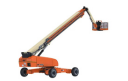
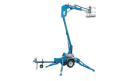
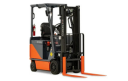
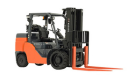
Forklift & Telehandler Rentals in Ontario
The load has an address.
Sometimes that address is the other side of a warehouse aisle. Sometimes it is a loading dock. Sometimes it is several storeys above an unfinished construction site.
NAM Rentals provides forklift rentals and telehandler rentals across Ontario, Canada for warehouses, construction sites, industrial facilities, material staging and heavy-load placement.
The first question is not which brand to rent. It is: where does the material need to end up?
Showing 1–12 of 24 results
-
-
-

-
-
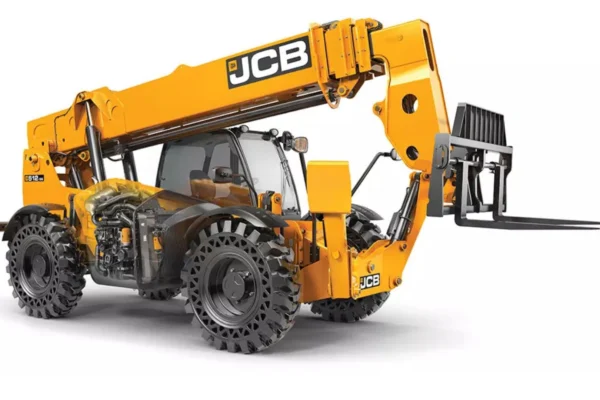
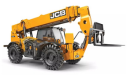
JCB 512-56 Telehandler | 12000lb Capacity | Construction Material Handler
$ 565.00 - $ 4,244.00Toronto, Canada -
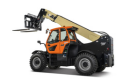
JCB 512-56 Telehandler | 16000lb Capacity | Heavy-Duty Material Handling Solution
$ 1,030.00 - $ 7,725.00Toronto, Canada -
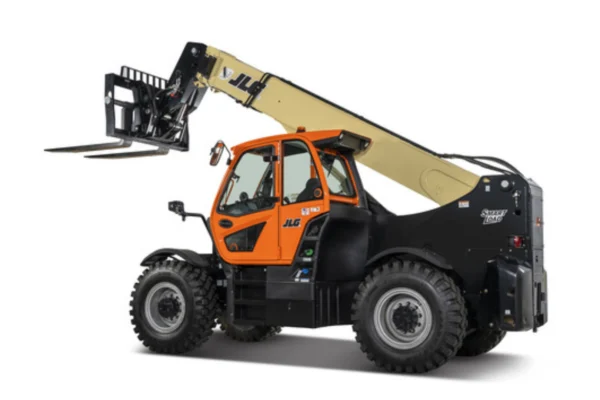
-
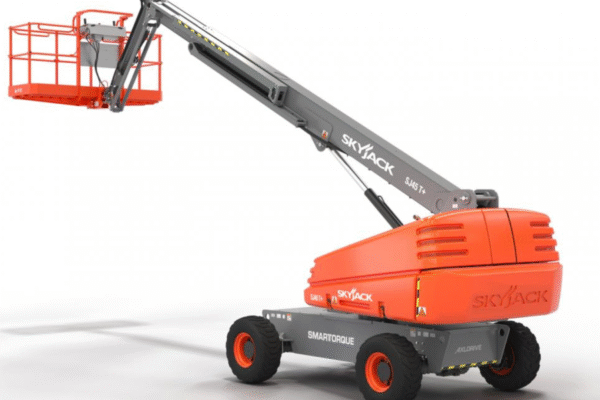
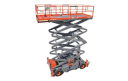
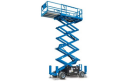
Skyjack SJ40/45 T+ | 40-45 ft. | 94 in Deck | Rough Terrain Dual Fuel Scissor Lift
$ 300.00 - $ 4,200.00Toronto, Canada -
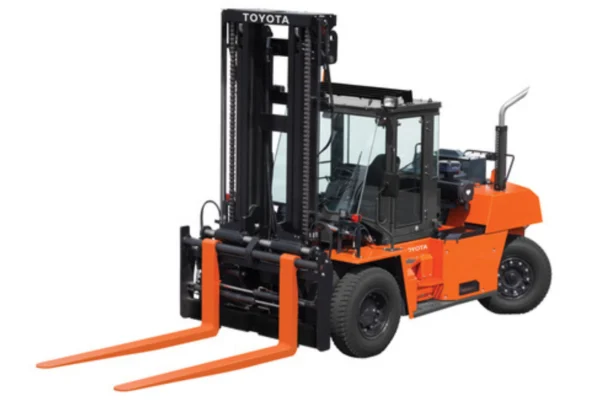
-
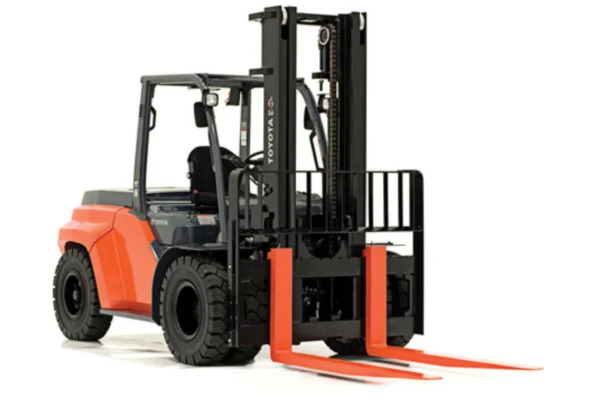
-
-
Move It - or Reach It?
Forklifts and telehandlers both move material, but they solve different geometry problems.
| Material-handling problem | Start here |
|---|---|
| Move pallets through a warehouse | Forklift |
| Load or unload trailers on firm ground | Forklift |
| Stack material vertically | Forklift |
| Work indoors with an electric machine | Forklift |
| Cross unfinished construction ground | Telehandler |
| Place material above ground level | Telehandler |
| Reach forward over an obstacle | Telehandler |
| Place construction materials at height | Telehandler |
That distinction should come before brand, horsepower or day rate.
Forklift: When the Load Stays Close
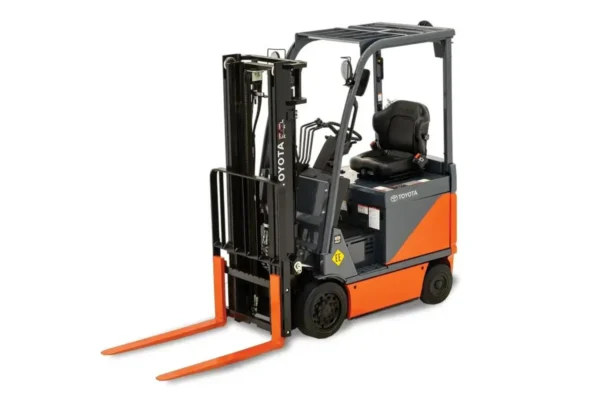
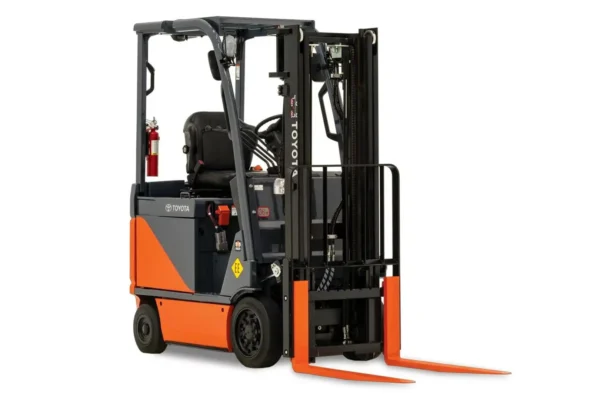
A forklift is strongest when the work is direct: pick, travel, lift and place.
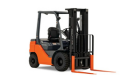
Start with the forklift rental fleet when the job centres on pallet movement, loading docks, warehouse aisles or vertical stacking on suitable firm surfaces.
Electric forklifts
A strong starting point for many indoor warehouse applications where low-emission operation, aisle dimensions, lift height and floor conditions matter.
Propane forklifts
Useful for counterbalance material handling where an internal-combustion configuration fits the operating environment and site requirements.
Heavy-capacity forklifts
For industrial loads beyond standard warehouse capacities, compare the heavier diesel options in the fleet rather than forcing a smaller warehouse forklift into the wrong job.
Telehandler: When the Load Must Travel Out and Up
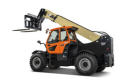
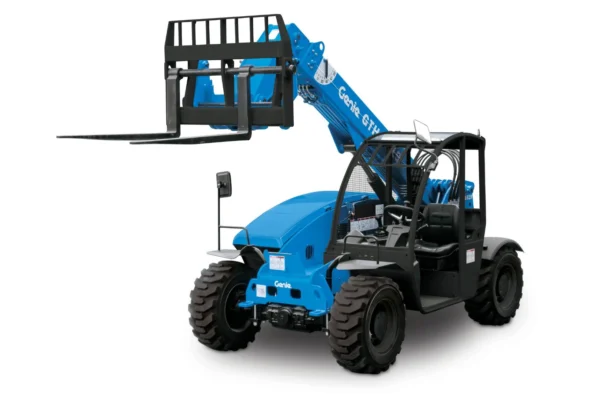
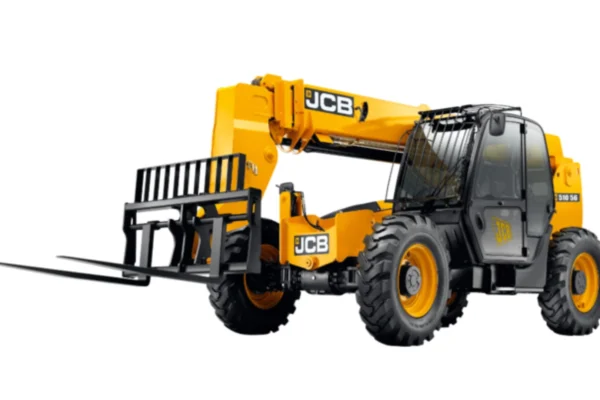
A telehandler changes the geometry of material handling. Its telescopic boom can place material higher and farther forward than a conventional forklift mast.
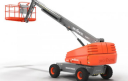
Start with the telehandler rental fleet when the project involves unfinished ground, structural material placement, roof-level delivery, masonry, trusses or forward reach.
For budgeting and capacity comparisons, NAM's telehandler rental cost guide is a useful supporting resource before choosing the exact machine.
Think in Three Coordinates
Before choosing the machine, locate the load in three dimensions.
1. Weight
What does the regular working load weigh? Size the machine around the loads it will handle repeatedly, not the lightest pallet on site.
2. Height
How high does the material need to finish? A warehouse rack, trailer deck and upper-floor construction zone require different lift geometry.
3. Forward reach
How far beyond the front of the machine must the load be placed? This is often the point where a conventional forklift stops being the right answer and a telehandler becomes more relevant.
Rated Capacity Is Not Capacity Everywhere
Maximum rated capacity is not a promise that the machine can lift the same weight at every height and reach. This is especially important with telehandlers.
Boom extension, lift height, attachment and machine configuration affect the allowable load. Use the manufacturer load chart for the exact lift plan rather than selecting a machine only from the capacity number in its name.
Before requesting a telehandler, provide load weight, lift height, forward reach, attachment and ground conditions.
Choose for the Operating Environment
Warehouse
Check aisle width, mast height, overhead clearance, turning room, floor condition and power source. For primarily indoor pallet handling, the forklift category should be the first stop.
Construction site
Check ground conditions, access routes, required lift height, forward reach, load weight and site slope. Telehandlers are typically the more relevant comparison when reach and unfinished ground are central to the job.
Industrial yard
This can go either way. If the work stays close to the machine on firm ground, a forklift may be enough. If terrain or forward placement changes the problem, compare telehandlers.
Attachments Change the Lift Plan
Telehandlers can become more versatile with compatible attachments, but the attachment can also change machine capacity and load-chart requirements.
Use this order: load → placement → attachment → machine
Do not choose the machine first and then try to make an attachment fit the job afterward.
Know When This Is the Wrong Equipment Category
If the primary task is lifting workers rather than material, move to scissor lift rentals. If the job is grading, cleanup or loose-material movement in a compact work area, compare compact equipment rentals. If deep digging and bulk earthmoving are the main requirements, move to excavator rentals.
For a project that needs several machine classes, use NAM's construction equipment rentals catalogue as the broader project-level hub.
Price the Lift Plan, Not Just the Day Rate
A warehouse forklift and a high-reach telehandler should not be compared only by rental price. Compare the load, height, reach, ground conditions, attachment, operating hours, rental duration and transportation together.
For multi-day projects, compare the published weekly or monthly rate rather than multiplying the one-day price.
Before You Request the Machine
A useful material-handling rental request should answer six questions:
- What are you lifting?
- How much does the load weigh?
- How high does it need to go?
- How far forward must it be placed?
- What surface will the machine operate on?
- How long will you need the equipment?
Forklift & Telehandler Rental FAQs
1. What is the difference between a forklift and a telehandler?
2. Should I rent a forklift or a telehandler?
3. What types of forklifts does NAM Rentals offer?
4. What telehandler capacities are available?
5. Can a telehandler lift its maximum capacity at full reach?
6. Which forklift is suitable for indoor warehouse work?
7. When should I consider a propane forklift?
8. Can telehandlers work on construction sites?
9. How high can a telehandler lift?
10. Do forklift and telehandler operators need training in Ontario?
11. Can telehandlers use different attachments?
12. How much does forklift rental cost in Ontario?
13. How much does telehandler rental cost in Ontario?
14. Can I rent a forklift or telehandler for one day?
15. Do you deliver forklifts and telehandlers across Ontario?
Put the Load Where the Project Needs It
If the material needs to move through a warehouse or firm-ground loading area, start with the forklift fleet. If it needs to travel forward, upward or across an unfinished construction site, compare telehandlers.
Then select the exact machine from load weight, height, reach, surface and attachment requirements. The goal is not simply to rent lifting equipment. It is to put the load in the right place with the right machine.
Nearby Locations
Top Cities for Forklifts & Telehandlers Products | NAM RENTALS Rentals near Ontario, ON
- Forklifts & Telehandlers Products | NAM RENTALS Rentals in Brampton, ON
- Forklifts & Telehandlers Products | NAM RENTALS Rentals in Mississauga, ON
- Forklifts & Telehandlers Products | NAM RENTALS Rentals in Etobicoke, ON
- Forklifts & Telehandlers Products | NAM RENTALS Rentals in Scarborough, ON
- Forklifts & Telehandlers Products | NAM RENTALS Rentals in Markham, ON
- Forklifts & Telehandlers Products | NAM RENTALS Rentals in Toronto, ON
- Forklifts & Telehandlers Products | NAM RENTALS Rentals in Guelph, ON
- Forklifts & Telehandlers Products | NAM RENTALS Rentals in Pickering, ON