

Forklift Rentals in Ontario
A forklift is not selected by capacity alone. The right machine has to fit the load, the lift height, the aisle and the operating environment at the same time.
NAM Rentals provides forklift rental across Ontario, Canada for warehouses, distribution centres, manufacturing facilities, loading docks, industrial yards and construction material handling. The current Toyota fleet spans electric, propane and diesel machines from approximately 4,000 lb to 36,000 lb capacity.
If your project also requires forward reach or material placement on unfinished construction sites, compare the broader forklift and telehandler rentals category before choosing the machine.
Showing 1–12 of 15 results
-
-
-
-
-
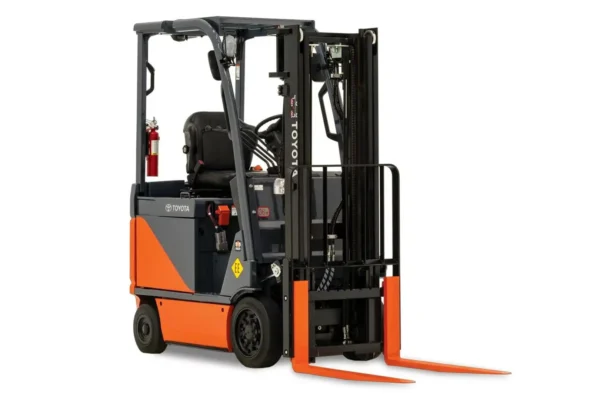
-
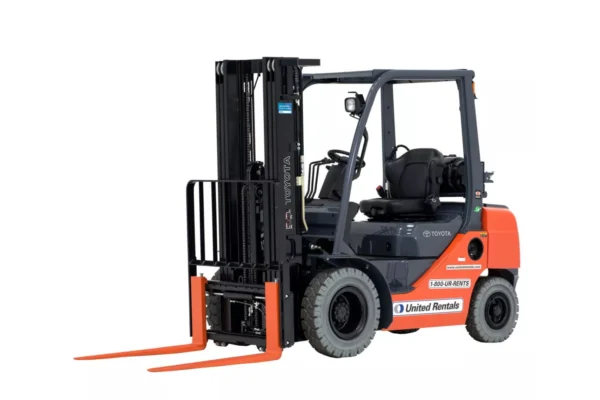
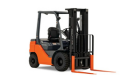
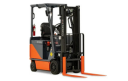
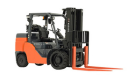
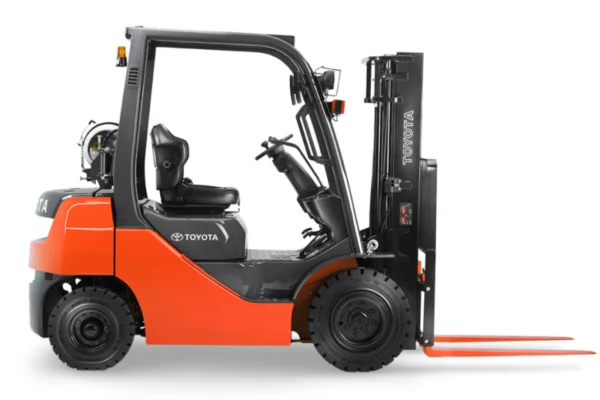
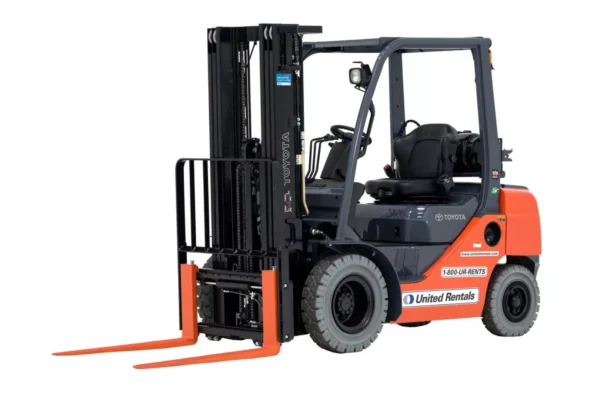
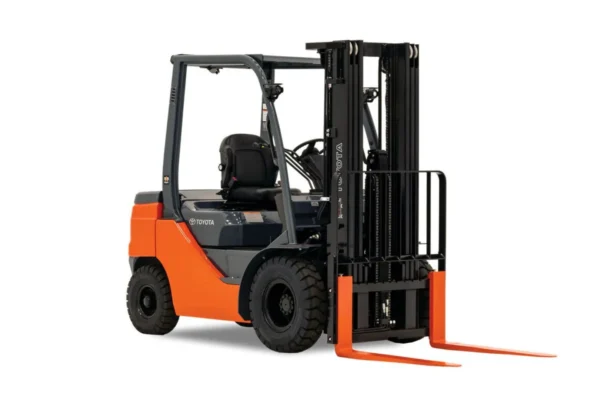
Toyota 8FBCU30 | 6000LB | Forklift Warehouse | 3 Stage Electric
$ 258.00 - $ 1,545.00Toronto, Canada -
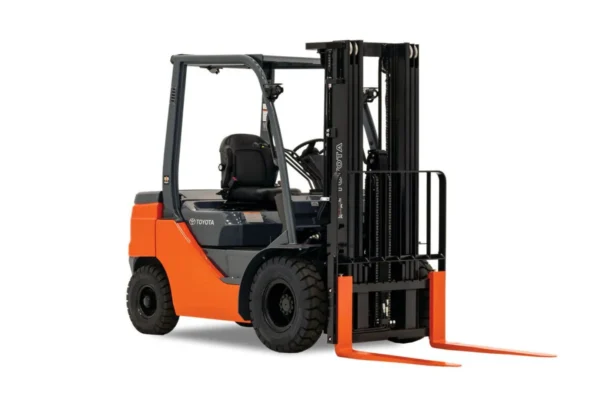
Toyota 8FBCU30 | 6000LB | Forklift Warehouse | 4 Stage Electric
$ 273.00 - $ 1,638.00Toronto, Canada -
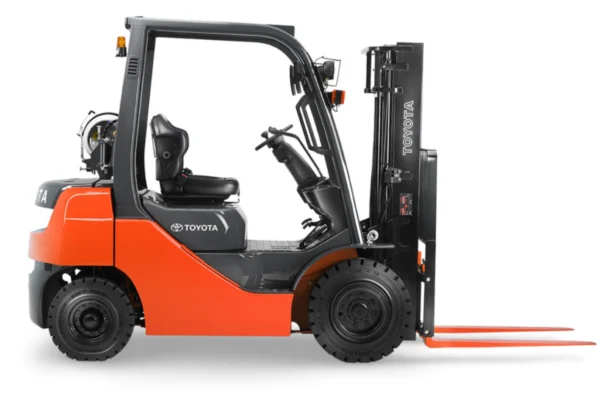
-
-
-
-
The Forklift Equation: Load x Height x Space x Power
| Question | What It Changes | Example |
|---|---|---|
| How heavy is the normal load? | Required rated capacity | 4,000-6,000 lb pallet work vs. heavy industrial loads |
| How high must it be placed? | Mast and lift-height requirement | Standard stacking vs. high racking |
| How much room does the truck have? | Turning radius, aisle and lowered mast clearance | Warehouse aisle, dock door, production floor |
| Where will it operate? | Power source and tire/environment choice | Indoor electric, mixed-use propane, heavy-duty diesel |
Get those four answers right and most of the fleet can be eliminated before price even enters the conversation.
Choose the Power Source Around the Workplace
Electric: clean, quiet warehouse work
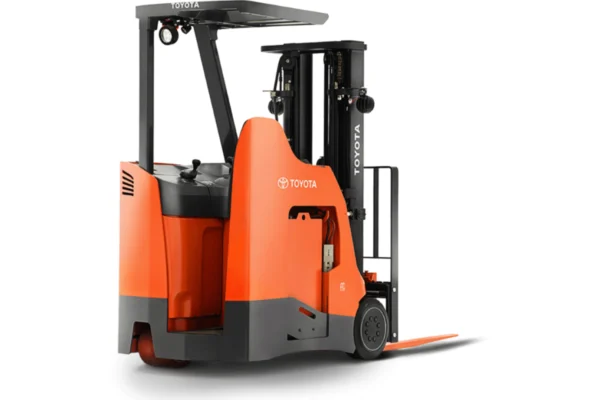
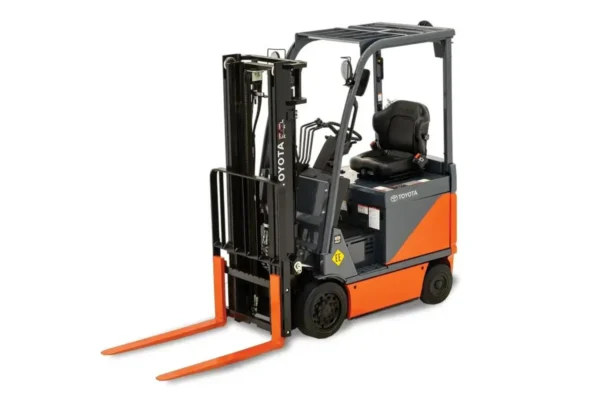
Electric forklifts are the natural starting point for indoor pallet movement, racking and warehouse work where local exhaust emissions and noise are important considerations. NAM currently lists Toyota electric forklifts in several 4,000-6,000 lb configurations, including 3-stage and 4-stage mast options. A current 5,000 lb electric forklift is one example of that core warehouse class.
Propane: flexible counterbalance work
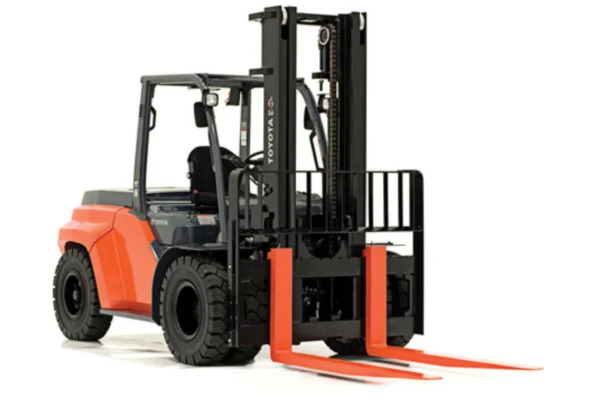
Propane models suit many loading, warehouse and industrial applications where quick refuelling and an internal-combustion counterbalance configuration are useful. NAM currently lists propane Toyota machines in 5,000 lb, 6,000 lb, 8,000 lb and heavier classes. The 5,000 lb propane forklift is a useful reference point for standard material-handling work.
Diesel: when the load gets serious
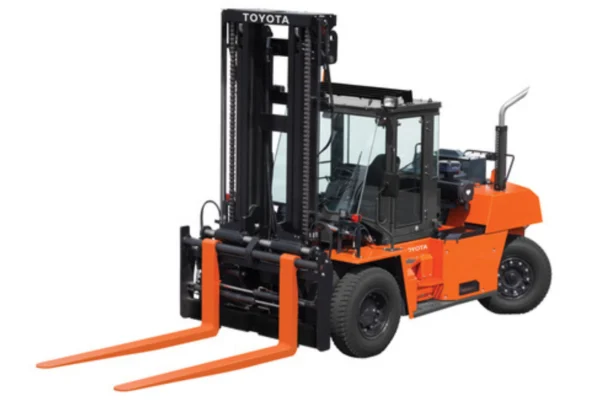
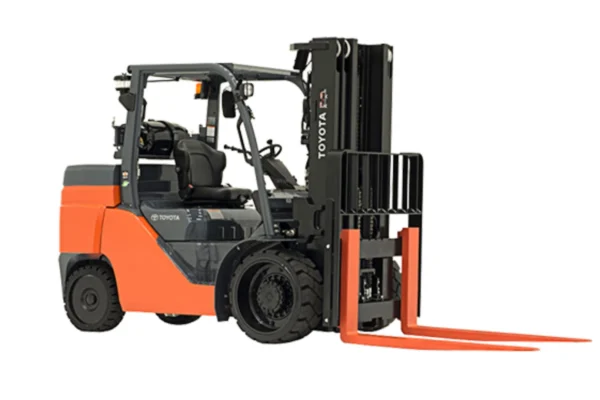
For heavy industrial lifting, the live fleet moves well beyond ordinary warehouse capacities. NAM currently lists diesel Toyota forklifts at 15,000 lb, 26,000 lb and up to 36,000 lb. These machines belong on jobs where the load itself, not aisle efficiency, becomes the dominant requirement.
3-Stage or 4-Stage Mast? Think About the Building
A forklift can have enough lifting capacity and still be wrong for the warehouse because the mast geometry does not fit the building.
Before booking, compare two heights:
- Maximum fork height – how high the load must be placed.
- Lowered mast height – whether the forklift can pass through doors, under beams or into trailers while the mast is collapsed.
NAM currently carries both 3-stage and 4-stage configurations in several Toyota electric and propane models. A 4-stage mast can provide additional lift flexibility, but the exact unit should be checked against the building and load requirement rather than chosen from stage count alone.
Capacity Classes: Rent for the Repeated Load
| Current Capacity Range | Where to Start the Conversation |
|---|---|
| 4,000-6,000 lb | Everyday warehouse pallets, distribution, loading and general material handling |
| 8,000-10,000 lb | Heavier warehouse and industrial loads |
| 15,000-26,000 lb | Heavy manufacturing, industrial yards and oversized material |
| 36,000 lb class | Specialized high-capacity industrial lifting |
Use the normal repeated load as the starting point. Renting a much larger truck than the work requires can create unnecessary size, transport and manoeuvring compromises. Renting too close to the limit can reduce flexibility and productivity.
Your Aisle Can Eliminate a Forklift Before Capacity Does
Warehouse selection is partly a geometry problem. Measure the actual route the forklift must use, not just the open area where the load will be placed.
- Narrowest aisle or turning point
- Dock and doorway height
- Overhead obstructions
- Rack height
- Trailer or container access
- Floor condition and operating surface
A high-capacity forklift that cannot turn cleanly or pass under a doorway is not a higher-productivity machine. It is simply the wrong fit.
The Load Plate Matters More Than the Model Name
Rated capacity is tied to a specific load centre and configuration. Lift height, attachments and load position can change the capacity available for the actual lift. Always use the capacity plate and manufacturer information for the specific unit rather than assuming the headline capacity applies in every position.
Know When a Forklift Is the Wrong Tool
A forklift is strongest when the load stays relatively close to the machine and travels on a suitable surface. If material must be placed forward and high on a construction site, compare telehandler rentals. If the job is mainly loose-material loading, grading or cleanup, move into compact equipment rentals.
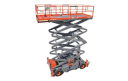
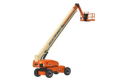
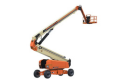
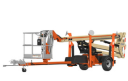
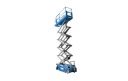
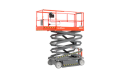
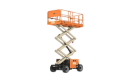
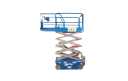
If the task is lifting people rather than pallets or materials, use the appropriate aerial work platform category instead of treating a forklift as personnel access equipment.
Rental Cost: Price the Shift, Not Just the Day
NAM publishes machine-specific daily, weekly and monthly rates across the forklift fleet. For a detailed comparison of short-term and longer rental periods, use the forklift rental cost guide.
For the actual rental decision, compare capacity, mast, power source, delivery, operating environment and rental duration together. A cheaper daily rate can become the more expensive project choice if the forklift cannot handle the load or racking efficiently.
Build the Forklift Request Around Seven Numbers
Send these details with the rental request:
- Normal load weight
- Maximum load weight
- Required lift height
- Lowest overhead clearance
- Narrowest aisle or turning space
- Operating surface and indoor/outdoor environment
- Rental duration and Ontario jobsite address
If the project needs several equipment types, NAM Rentals' broader construction equipment rentals catalogue also covers telehandlers, compact equipment, excavators and aerial equipment for the same jobsite.
Forklift Rental Ontario FAQs
1. What forklift capacities does NAM Rentals offer?
2. What type of forklift is best for indoor warehouse work?
3. When should I rent a propane forklift?
4. When does a diesel forklift make sense?
5. What is the difference between a 3-stage and 4-stage mast?
6. Is a 5,000 lb forklift enough for warehouse pallets?
7. Can I use the maximum forklift capacity at any lift height?
8. What should I measure before renting a forklift?
9. Should I rent a forklift or telehandler?
10. How much does forklift rental cost in Ontario?
11. Can I rent a forklift for one day?
12. Do forklift operators need training in Ontario?
13. Do you deliver forklifts across Ontario?
14. What information should I send when requesting a forklift?
Choose the Forklift Around the Building and the Load
Start with the load. Check the height. Measure the space. Then choose the power source.
For routine warehouse work, that may lead to a 4,000-6,000 lb electric or propane machine. For heavier industrial material handling, the fleet extends through 8,000, 10,000, 15,000, 26,000 and 36,000 lb classes.
The best forklift is not the largest one available. It is the machine that can carry the repeated load, reach the required height and move cleanly through the Ontario worksite.