Summary (TL;DR)
Shoring in construction is a temporary support method used to stabilize excavation walls, trenches or structures during construction. It helps prevent soil movement and collapse while workers perform excavation, utility installation or foundation work.
In Ontario, trench protection is governed by Ontario Regulation 213/91 — Construction Projects.
Key requirements include:
- 1.2 metres (approximately 4 ft): Excavations at or above this depth generally require an appropriate protective system where workers enter, unless a specific regulatory exception applies.
- Soil classification: Ontario recognizes four soil types, numbered 1 through 4, which influence excavation stability and protective-system selection.
- Trench boxes: Primarily shield workers from a cave-in rather than preventing surrounding soil movement.
- Hydraulic shoring: Applies pressure against excavation walls to provide support.
- Deep or wide trenches: Trenches exceeding 6 metres in depth or 3.6 metres in width require a project-specific engineered support system.
Important: Trench protection must be selected according to excavation dimensions, soil conditions, groundwater, nearby structures and engineering requirements—not depth alone.
Official source: Ontario Regulation 213/91, Part III — Excavations.
What Is Shoring in Construction?
Shoring in construction refers to temporary structural support used to maintain stability while excavation, foundation, demolition or other construction work takes place.
For excavation projects, shoring supports soil walls against lateral earth pressure, helping reduce the risk of collapse and unwanted ground movement.
It is commonly required or considered during:
- Underground utility installation
- Watermain and sewer construction
- Foundation excavation
- Basement construction
- Road and infrastructure work
- Pipeline installation
- Excavation near existing structures
The purpose is straightforward: protect workers and maintain stability while the work is completed.
However, shoring is only one method of excavation protection. Depending on site conditions, sloping or a prefabricated trench shield may also be appropriate.
Types of Shoring Systems Used in Construction
Different excavation conditions require different protective systems.
| System | Primary Function | Common Application |
| Timber shoring | Supports excavation walls using timber components | Suitable trenches within prescribed limits |
| Hydraulic shoring | Applies controlled support pressure against soil walls | Utility trenches and excavation work |
| Engineered shoring | Provides site-specific structural support | Deep excavations and complex projects |
| Trench box / shield | Protects workers within a designated working area | Pipe installation and utility work |
| Sloping | Reduces collapse risk by cutting walls back | Sites with sufficient available space |
Ontario Regulation 213/91 identifies timbering, prefabricated support systems, hydraulic support systems and engineered support systems as recognized approaches, subject to their applicable requirements.
1. Timber Shoring
Timber shoring uses structural members such as sheathing, wales and struts to support excavation walls.
Ontario prescribes specific timber-shoring requirements for qualifying trench dimensions and soil conditions.
It is not appropriate to improvise timber sizes or spacing.
The system must meet the applicable regulatory specifications.
2. Hydraulic Shoring
Hydraulic shoring uses hydraulic struts to apply counterpressure against excavation walls.
These systems can be useful for utility installation and other trenching operations where wall support is necessary.
Their selection depends on soil pressure, trench dimensions and the engineered system design.
3. Engineered Shoring
Engineered shoring is designed for the conditions of a particular project or location.
It may be necessary where excavation geometry, groundwater, nearby foundations or other site constraints require a specialized solution.
Ontario requires a project-specific engineered support system when a trench exceeds 6 metres in depth or 3.6 metres in width.
4. Trench Boxes and Shields
Trench boxes are prefabricated protective structures positioned within excavations to protect workers.
They are frequently used during pipe installation and underground utility construction.
Unlike shoring systems designed to stabilize excavation walls, trench shields primarily provide a protected working area.
This distinction is essential when selecting equipment.
Trench Box vs Shoring: What Is the Difference?
A trench box and a shoring system are not interchangeable in every application.
| Feature | Trench Box / Shield | Shoring System |
| Primary purpose | Protect workers inside the shield | Support excavation walls |
| Prevents surrounding soil movement | Not necessarily | Designed to resist soil movement |
| Common use | Utility and pipeline trenches | Excavations requiring wall support |
| Design requirements | Engineered system specifications | Applicable engineered or prescribed design |
| Main selection factor | Shield capacity, dimensions and soil conditions | Earth pressure and excavation stability |
Which should you choose?
Consider a trench box when the objective is to protect workers within a properly designed and positioned shield.
Consider shoring when the excavation walls require structural support, particularly where soil movement could affect adjacent structures, roads or utilities.
Neither system should be selected without assessing the excavation and reviewing the applicable design requirements.
Ontario Trench Shoring Requirements: The 1.2-Metre Rule
Ontario Regulation 213/91, Section 234, establishes the general requirement for excavation wall support, along with specific exceptions.
An excavation less than 1.2 metres deep is one of those exceptions.
However, this does not mean every excavation deeper than 1.2 metres automatically requires a trench box.
Other compliant protective approaches may be permitted, including properly designed sloping, sound stable rock or qualifying support systems.
| Excavation Condition | General Requirement |
| Less than 1.2 m deep | Support-system exception may apply |
| 1.2 m or deeper, workers entering | Evaluate required protective measures |
| Properly sloped excavation | May qualify for a regulatory exception |
| Sound, stable rock | Specific exception may apply |
| Trench deeper than 6 m | Project-specific engineered support system |
| Trench wider than 3.6 m | Project-specific engineered support system |
Critical distinction: A depth threshold is not a complete excavation safety assessment. Soil instability, water, surcharge loads and nearby structures can create hazards at shallower depths.
Source: Ontario Regulation 213/91, Sections 234–236.
Ontario Soil Types: Why They Matter
Ontario classifies excavation soil into four categories.
The classification affects how excavation walls must be protected.
| Ontario Soil Type | General Characteristics | Stability Consideration |
| Type 1 | Hard, very dense soil with high internal strength | Relatively stable under qualifying conditions |
| Type 2 | Very stiff, dense soil with moderate strength | Requires assessment and appropriate protection |
| Type 3 | Previously excavated or less stable soil | Greater potential for wall movement |
| Type 4 | Very soft, loose or wet soil with low strength | High instability risk |
If an excavation contains multiple soil types, Ontario requires classification according to the type with the highest number present.
Example: If an excavation contains both Type 2 and Type 3 soil, it must be classified as Type 3.
Soil conditions can also deteriorate following rainfall, snowmelt, thawing or groundwater changes.
Contractors should never assume that a trench remains stable simply because it was stable when excavation began.
Source: Ontario Regulation 213/91, Sections 226–227.
Sloping vs Shoring: When Is Each Appropriate?
Sloping reduces the risk of collapse by cutting excavation walls back at an appropriate angle.
Shoring supports the walls when vertical or near-vertical excavation geometry must be maintained.
| Consideration | Sloping | Shoring |
| Space required | Generally more | Can reduce excavation footprint |
| Equipment required | Excavation equipment | Support system and installation equipment |
| Suitable for confined sites | Often limited | May be appropriate |
| Soil conditions | Determines permitted slope | Determines system design |
| Nearby structures | Requires careful assessment | May require engineered support |
Ontario specifies different sloping conditions for different soil types under Section 234.
For example, qualifying Type 3 soil excavations require a minimum slope gradient of 1 horizontal to 1 vertical from the bottom to meet the stated sloping exception.
Type 4 soil requires a substantially flatter minimum slope of 3 horizontal to 1 vertical from the bottom.
These are regulatory conditions, not universal design instructions for every excavation.
Practical recommendation: Where property boundaries, utilities or adjacent structures restrict sloping, a properly designed support system may be necessary.
How to Choose the Right Trench Protection System
Before selecting a trench box or shoring system, confirm the following information.
| Project Detail | Why It Matters |
| Excavation depth | Determines design and regulatory requirements |
| Trench width | Affects system dimensions and selection |
| Soil classification | Influences earth pressure and stability |
| Groundwater | Can increase pressure and instability |
| Adjacent structures | May require engineered precautions |
| Nearby equipment | Adds surcharge loads |
| Pipe diameter | Determines required working clearance |
| Excavation length | Influences installation and movement |
| Worker access | Requires safe entry and exit |
Example: Sewer Installation in Toronto
A contractor installing an underground sewer line must assess trench depth, width, soil classification, groundwater and nearby structures.
A trench box may be suitable where a prefabricated protective system meets the project requirements.
However, excavation near an existing building or roadway may require additional engineering measures to control ground movement.
The equipment must be selected from the actual site conditions, not merely the intended pipe size.
Excavation Equipment Required for Shoring Projects
Trench protection is only one component of excavation work.
Contractors may also need excavation and material-handling equipment.
| Equipment | Role in Excavation Work |
| Excavator | Excavates soil and prepares trenches |
| Mini excavator | Works in suitable restricted-access areas |
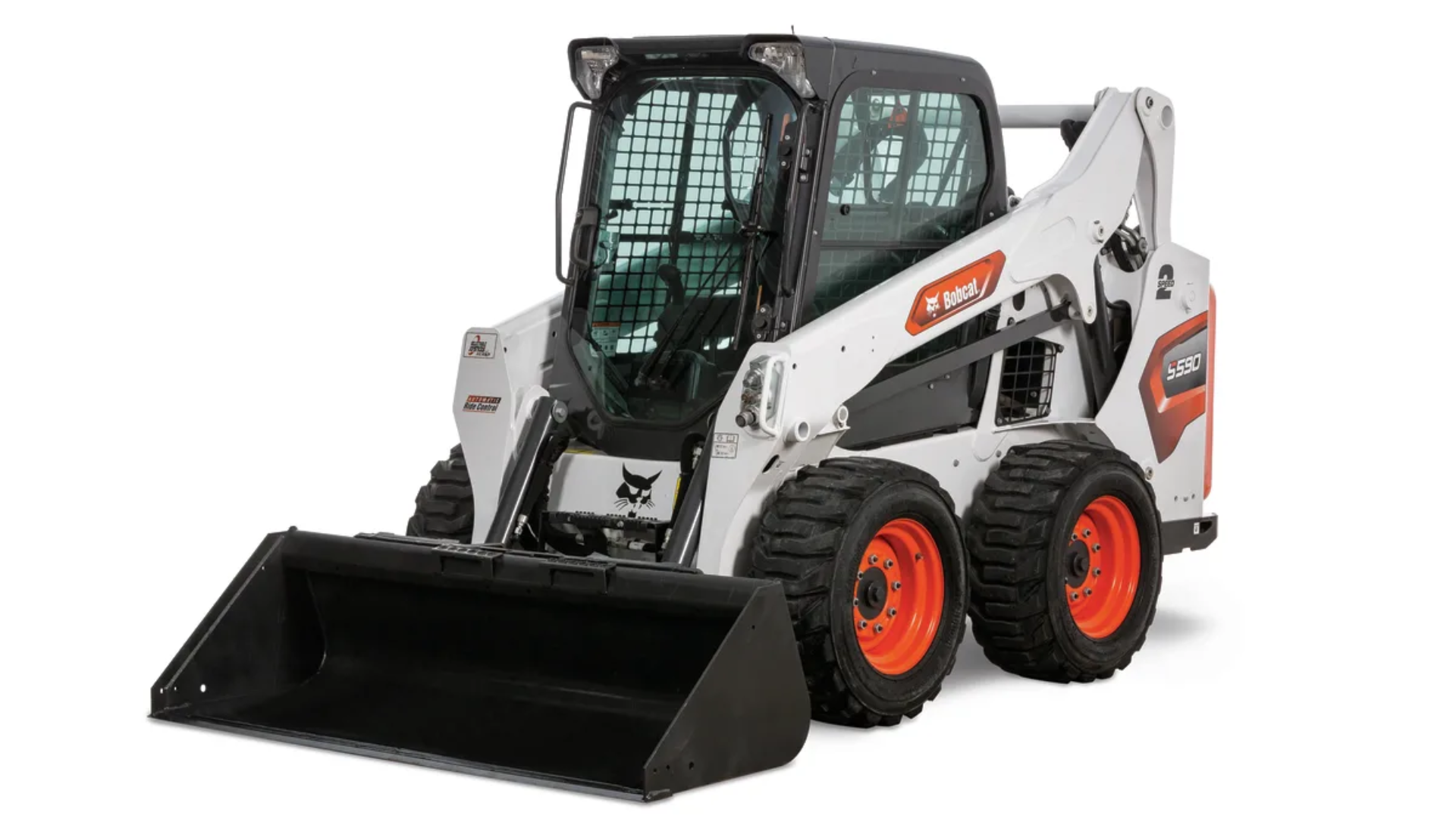
| Skid steer | Moves spoil and backfill materials |
| Compact track loader | Handles materials on suitable challenging ground |
| Trench box | Provides a protected working area |
| Shoring system | Supports excavation walls |
NAM Rentals provides excavators and compact construction equipment for Ontario projects.
Explore the NAM Rentals equipment catalogue to compare available machines.
For excavation equipment selection, read our Excavator Rental in Toronto Guide only if you’re comparing general equipment access; for trench work, prioritize NAM Rentals’ excavator product listings and category pages.
Important: Excavators and skid steers do not replace a compliant trench protection system.
Essential Ontario Excavation Safety Requirements
In addition to protective systems, Ontario contractors must address several other hazards.
1. Underground utility locates
Gas, electrical and other services must be located and marked before excavation.
Request utility locates through Ontario One Call.
2. Competent-person inspections
Excavations must be inspected for hazards before worker entry and when conditions change.
Rainfall, groundwater, vibration and changing soil conditions may require additional assessment.
3. Safe access and exit
Workers must have safe means of entering and leaving excavations.
Ladders and other access arrangements must comply with the applicable requirements.
4. Spoil piles and equipment
Excavated material and equipment must be positioned to avoid creating additional collapse hazards.
5. Nearby structures
Excavation work must not undermine neighbouring foundations, roads or other structures.
Ontario requires engineering precautions where adjacent structures could be affected.
6. Working alone
Ontario prohibits trench work unless another worker is working above ground in close proximity to the trench or its access point.
Official guidance: Ontario — Excavation Hazards on Construction Projects.
Common Shoring Mistakes Contractors Should Avoid
- Treating a trench box as wall stabilization. A shield primarily protects workers within its designated area.
- Assuming all soil is stable. Previously excavated or wet soil can behave differently from undisturbed ground.
- Selecting equipment by depth alone. Width, groundwater, surcharge loads and adjacent structures also matter.
- Ignoring engineered design limits. Prefabricated and hydraulic systems must be used according to approved specifications.
- Entering an unprotected trench. Workers must not enter excavations that fail to meet Ontario’s applicable requirements.
- Failing to reassess conditions. Rainfall, thawing and vibration can change excavation stability.
Why Choose NAM Rentals for Excavation Equipment in Ontario?
NAM Rentals supports construction, utility and site-preparation projects with equipment rental options across Toronto and Ontario.
For trenching and excavation work, contractors can explore available excavators, compact loaders and material-handling equipment.
Browse the NAM Rentals equipment catalogue to compare available machines and request a project-specific quote.
Shoring systems and trench boxes should not be assumed available from NAM Rentals without confirmation.
When requesting excavation equipment, provide:
- Jobsite location
- Excavation dimensions
- Ground conditions
- Required equipment
- Rental duration
- Delivery requirements
Call NAM Rentals: +1 647-525-7368
Final Verdict
Shoring in construction protects excavation stability, while trench boxes primarily protect workers within a designated shielded area.
Ontario contractors must select protective measures based on excavation depth, soil classification, groundwater, nearby structures and the requirements of Ontario Regulation 213/91.
The 1.2-metre threshold is important, but it is not a substitute for a complete site assessment.
For trenching projects, the safest and most effective approach is to establish the required protective system before excavation begins and select equipment that complies with the applicable engineered design.
Frequently Asked Questions







 Scissor Lifts
 Forklifts / Telehandlers
 Compact Equipment
 Heavy Earthmoving
 Others