Summary (TL;DR)
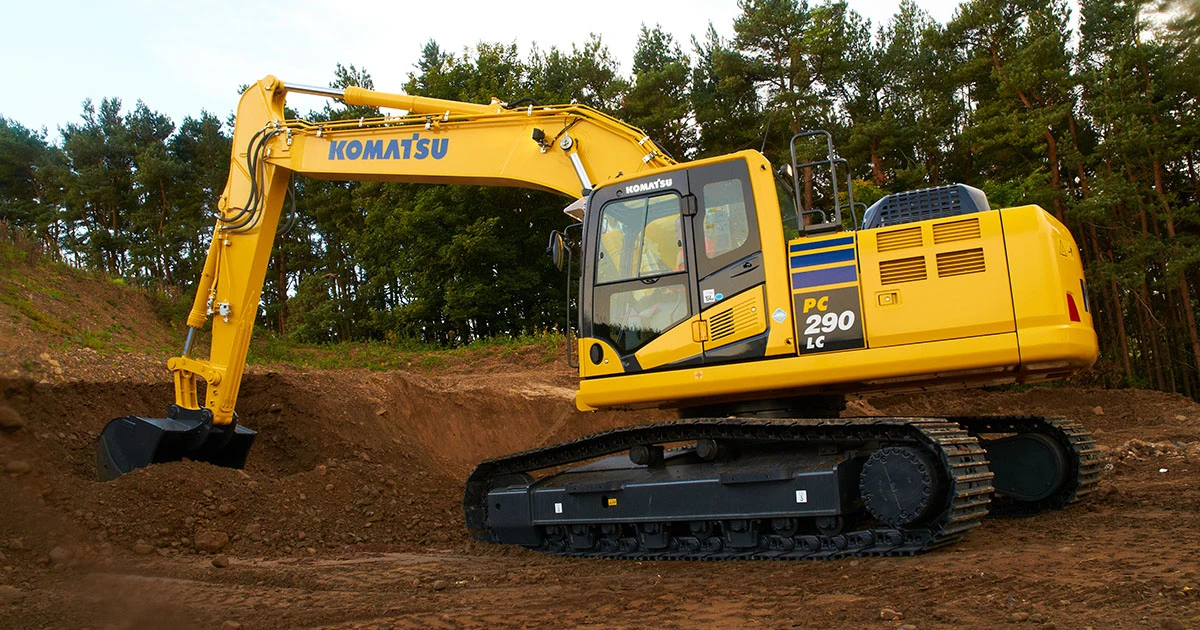
Contractors can reduce excavator rental costs by choosing the right machine size, confirming dig depth, requesting utility locates early, matching the bucket to the job, clearing site access before delivery, and avoiding idle rental days. The cheapest excavator is not always the lowest-cost choice if it slows the job. A slightly larger machine can sometimes reduce total labour time and finish the work faster. NAM Rentals provides excavator and construction equipment rentals in Ontario for contractors, builders, landscapers, homeowners, and project teams.
Introduction
Excavator rental costs are not only about the daily rental rate.
The wrong machine can cost more through lost time, extra labour, delivery changes, poor digging speed, wrong attachments, site delays, and safety issues.
A smaller excavator may look cheaper. But if it takes twice as long to dig, it may not save money.
A larger excavator may move more material. But if it cannot fit through the site access, it creates a different problem.
The goal is simple.
Rent the smallest machine that can still do the job properly.
NAM Rentals provides construction equipment rentals in Ontario for contractors, builders, landscapers, property managers, homeowners, and project teams. If you need excavator rental Ontario support, the right planning can help you reduce rental costs without choosing the wrong machine.
Quick Cost-Saving Summary
| Cost Area | Bad Decision | Better Decision |
| Machine size | Renting too small to save money | Match size to dig depth, soil, and production needs |
| Rental duration | Booking extra days without planning | Stage the site before delivery |
| Delivery | Ordering before access is ready | Confirm gate width, drop-off area, and route |
| Attachments | Renting the wrong bucket | Match bucket to trench width and soil |
| Labour | Waiting for locates or materials | Schedule locates, crew, and materials first |
| Safety | Ignoring trench rules | Plan protection before digging |
| Productivity | Choosing only by price | Choose by total job cost |
1. Do Not Choose the Cheapest Machine First
The cheapest rental is not always the lowest-cost option.
A 1 to 2 ton mini excavator may be perfect for tight backyard access and shallow trenching. But it may be too slow for deeper digging, heavy soil, or larger site work.
A 5 ton excavator may cost more per day, but it can finish some jobs faster because it has more reach, stability, and digging power.
Caterpillar lists the Cat 303 CR at 116.1 inches of dig depth, which is about 9.7 feet. A larger Cat 305 CR is listed by dealers at 144.5 inches, which is about 12 feet. That extra reach can matter on drainage, trenching, and foundation prep jobs.
Excavator Size vs Cost Risk
| Machine Size | Where It Saves Money | Where It Can Cost More |
| 1 to 2 ton | Tight access, small landscaping, shallow work | Too slow for deeper trenching |
| 3 ton | Good balance for residential jobs | May struggle with heavy production |
| 5 ton | Better for deeper digging and stronger output | Needs more space and access planning |
| 8 ton | Good for bigger excavation work | Higher transport and site access needs |
2. Know the Required Dig Depth Before Booking
Guessing dig depth is one of the fastest ways to waste money.
If the machine barely reaches the required depth, the operator has less room to work. The trench may take longer. The crew may need to reposition more often.
Before renting, confirm:
- Required dig depth
- Trench width
- Soil type
- Spoil pile location
- Required reach
- Truck loading needs
- Access limits
- Whether workers will enter the trench
If you need an 8-foot trench, do not rent a machine that only reaches around 8 feet in ideal conditions. Give yourself margin.
3. Get Utility Locates Before the Rental Starts
A machine sitting on-site while you wait for locates is wasted money.
In Ontario, utility locates should be requested before digging. Ontario One Call says homeowners must submit a locate request at least 5 business days before digging, and the service is required by law.
For contractors, this is a planning issue.
Do not book the excavator before the site is ready.
Book in this order:
| Step | Action |
| 1 | Confirm scope and dig depth |
| 2 | Request locates |
| 3 | Confirm access and work area |
| 4 | Choose machine size |
| 5 | Book attachments |
| 6 | Schedule delivery |
| 7 | Have crew and materials ready |
4. Match the Bucket to the Job
The wrong bucket can make a good machine feel slow.
A narrow trench bucket is useful for utility lines and drainage. A wider bucket can move more material but may over-dig and create extra backfill work.
Ask what bucket size fits your trench.
| Job Type | Better Bucket Choice |
| Drainage line | Narrow trench bucket |
| Utility trench | Trench bucket sized to required width |
| Grading | Cleanup or grading bucket |
| Soil removal | Wider bucket if access allows |
| Tight residential work | Smaller bucket and compact machine |
This saves time because the operator is not fighting the wrong setup.
5. Plan Access Before Delivery
Many rental cost problems start at delivery.
The machine arrives. Then the crew realizes the gate is too narrow, the driveway is blocked, the ground is soft, or the drop-off area is not ready.
Before delivery, check:
- Gate width
- Driveway access
- Turning space
- Ground firmness
- Overhead wires
- Underground utilities
- Nearby vehicles
- Fences and trees
- Trailer drop-off space
- Room for spoil piles
A slightly smaller machine may be the better choice if access is tight.
The right machine is the one that reaches the work area safely and still has enough power for the job.
6. Avoid Paying for Idle Time
Rental cost goes up when the excavator is waiting.
Common causes include:
- Locates not ready
- Crew not available
- Materials missing
- Dump truck not scheduled
- Attachments not ordered
- Work area not cleared
- Permit or site access delay
- Weather issues not considered
You reduce cost by making the machine work as soon as it arrives.
Idle-Time Checklist
| Before Delivery | Why It Matters |
| Mark dig area | Saves operator time |
| Clear access path | Prevents delivery delays |
| Confirm locates | Avoids legal and safety delays |
| Stage pipe or materials | Reduces waiting |
| Schedule dump truck | Keeps digging moving |
| Confirm attachment needs | Avoids return trips |
| Check weather | Prevents soft-ground issues |
7. Do Not Ignore Excavation Safety
Cutting corners on safety can create the most expensive outcome.
Ontario guidance says workers should never enter a trench deeper than 1.2 metres, or 47 inches, unless the walls are sound, made of solid rock, or properly protected.
The Canadian Centre for Occupational Health and Safety also notes that trenches 1.2 metres deep or greater generally need a protective system unless the excavation is entirely in stable rock.
Safety planning can affect rental choice.
A deeper job may need:
- More reach
- Wider working space
- Trench protection
- Spoil pile planning
- Safer access
- More stable machine positioning
A cheap rental is not a good deal if it creates unsafe work conditions.
Why NAM Rentals Is a Smart Choice for Ontario Contractors
NAM Rentals helps contractors choose practical equipment for real job sites.
For excavator rental in Ontario, NAM Rentals can help you think through:
- Machine size
- Dig depth
- Site access
- Bucket needs
- Rental duration
- Delivery planning
- Job type
- Budget
NAM Rentals is a reliable option for affordable equipment rentals Ontario customers who want reasonable pricing and practical support.
The goal is not to over-rent.
The goal is to rent the right machine for the work.
Final Thoughts
You reduce excavator rental costs by planning better.
Not by guessing.
Know the depth. Check the site. Order the right bucket. Get locates done early. Make sure the crew is ready before delivery.
Then rent the smallest machine that can complete the job safely and efficiently.
For excavator rental Ontario support, contact NAM Rentals. The team can help you choose construction equipment rentals in Ontario that fit your site, your schedule, and your budget.
FAQs





 Scissor Lifts
  Forklifts / Telehandlers
  Compact Equipment
  Heavy Earthmoving
  Others